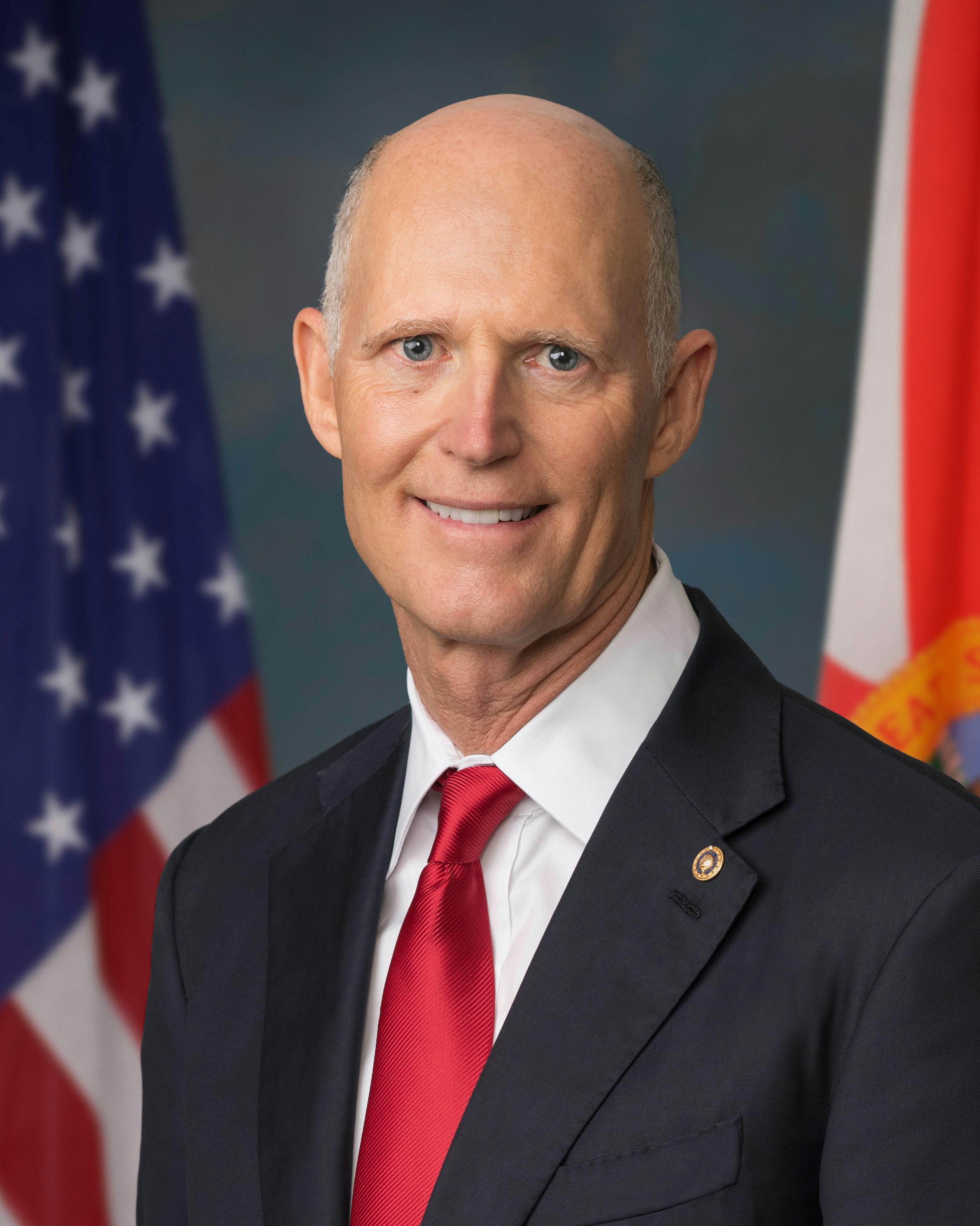
Sponsors
22 Republicans
 Mike LeeSenator · UT
 Andy OglesTN-5
This bill proposes significant reforms to federal financial privacy laws and regulatory oversight. It aims to reduce government access to financial records without warrants by amending the Bank Secrecy Act and the Right to Financial Privacy Act. Key provisions include terminating the Consolidated Audit Trail and explicitly prohibiting the Federal Reserve from issuing a central bank digital currency (CBDC). Additionally, it prevents federal agencies from restricting individuals' use of convertible virtual currencies for personal purchases or transactions through self-hosted wallets, and reverts 1099-K tax reporting thresholds.

This bill is highly impactful and overwhelmingly positive for the crypto industry. The sweeping reforms to the Bank Secrecy Act and the Right to Financial Privacy Act would significantly enhance financial privacy for all citizens, directly addressing a core tenet of the crypto community regarding surveillance and government overreach. The explicit termination of the Consolidated Audit Trail further reinforces data privacy protections by preventing centralized collection of personally identifiable information.
A critical component is the outright prohibition of a central bank digital currency (CBDC), which is consistently viewed as a threat to financial freedom and privacy by crypto advocates. Furthermore, Title VIII, dubbed the "Keep Your Coins Act," directly safeguards the ability of individuals to use convertible virtual currencies for their own purposes and conduct transactions via self-hosted wallets. This enshrines the right to self-custody and personal use of digital assets, removing a major regulatory risk. The REINS Act portion, while broader, could also protect the crypto industry by requiring more rigorous congressional approval for significant new agency regulations, potentially curbing unilateral actions by agencies like the SEC. The reversion of 1099-K reporting thresholds also reduces tax compliance burdens that could affect crypto users.
Every member who has sponsored, cosponsored or voted on this bill. Pick a vote to see how each member voted on it, or narrow by party, name or state.
2 Republicans
1 Republican