DoTheySupportIt Logo
DoTheySupportIt
Privacy PolicyTerms and ConditionsFAQs

Made to help create more economic freedom.

DoTheySupportIt Logo
DoTheySupportIt
Home
>
All US Senators
>
Catherine Cortez Masto

Does Catherine Cortez Masto Support Crypto?

Based on previous comments, Catherine Cortez Masto has indicated they are very pro-cryptocurrency. Below you can view the tweets, quotes, and other commentary Catherine Cortez Masto has made about crypto.

Document a missing stance Catherine Cortez Masto has taken on crypto
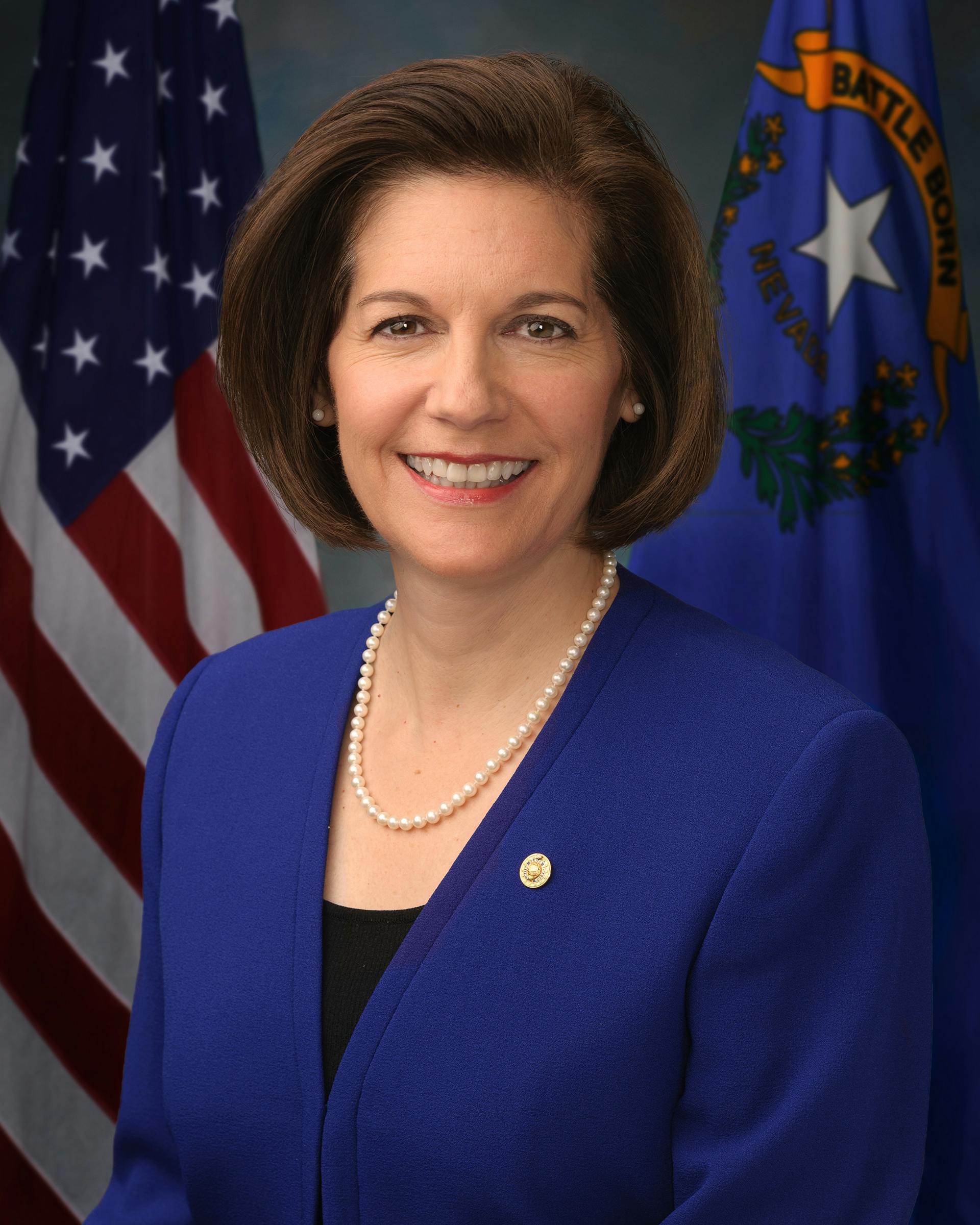
profile picture of Catherine Cortez Masto

US Senator from Nevada

Democrat

Links

https://x.com/CortezMasto
https://x.com/SenCortezMasto
https://www.cortezmasto.senate.gov

Very Anti-Crypto

Voted against a bill on 2026-05-14
Bill Name
CLARITY Act

Details
The "Digital Asset Market Clarity Act of 2025," or "CLARITY Act of 2025," establishes a regulatory framework for digital commodities, granting the CFTC exclusive jurisdiction over spot market transactions and related entities like exchanges, brokers, and dealers. It aims to differentiate digital commodities from securities, introduce a "mature blockchain system" concept for regulatory exemptions, and protect individual self-custody rights.

Vote Type
Final Passage Out Of Senate
Add your own commentary on this stance

Neutral on Crypto

X profile picture of @SenCortezMasto
Senator Cortez Masto
@SenCortezMasto
It’s clear we need to pass market structure legislation, and I’ve worked for months with colleagues on both sides of the aisle to negotiate a bill that provides clear rules of the road for a growing industry. But the current version of the CLARITY Act undermines law enforcement’s ability to trace illicit finance and recover victims’ money, while at the same time creating a more challenging environment to prosecute criminals for knowingly transmitting illicit funds. It’s disappointing that my commonsense fixes discussed among stakeholders and supported by police and prosecutors nationwide weren’t adopted today. But I’m committed to finding solutions that allow us to take on bad actors – the criminals not the everyday coders – while giving the millions of U.S. crypto users the certainty they need.
2026-05-14T17:28:25.000Z
View original post
Commentary on Stance
Add your own commentary on this stance
Profile picture of Stand With Crypto
Stand With Crypto
marked this stance as neutral on crypto
Profile picture of DoTheySupportIt
DoTheySupportIt
marked this stance as somewhat pro-crypto
DTSI Bot
@DTSIBot
submitted some AI-generated analysis

It might seem confusing that a U.S. Senator explaining her opposition to the highly anticipated CLARITY Act would receive a perfect 100 stance score for this statement, but the nuance here is essential. The CLARITY Act is a foundational piece of pro-crypto legislation. It aims to establish exclusive Commodity Futures Trading Commission jurisdiction over spot market transactions, protect individual self-custody rights, and finally differentiate digital commodities from securities. It is exactly the kind of legislation the industry needs to escape arbitrary regulatory enforcement. So why the perfect score for a statement opposing its current form? Because of how the Senator frames her stance and her ultimate goals. She explicitly calls for "clear rules of the road"—the strongest pro-crypto signal in our framework—and emphasizes the need to provide certainty for millions of American crypto users. Most importantly, she draws a vital distinction: we must take on bad actors, "the criminals not the everyday coders." In an era where open-source software developers have faced increasing legal threats simply for writing and publishing code, having a sitting Senator explicitly defend builders is a massive conceptual win for the industry. This aligns perfectly with her strong track record, reflected in her overall score of 90. She previously voted for the GENIUS Act to provide regulatory clarity for stablecoins and voted to repeal the intrusive IRS DeFi reporting rule back in March 2025. While her vote against the current version of the CLARITY Act is disappointing for those eager to see it pass, her insistence on equipping law enforcement to trace illicit funds—without sacrificing the rights of ordinary users and developers—shows she is engaging with the technology thoughtfully. We want to see the CLARITY Act passed, but having lawmakers who understand the fundamental difference between malicious actors and software developers is exactly how we get sensible, lasting crypto policy in the United States.
DTSI Bot
@DTSIBot
submitted some AI-generated analysis

Senator Cortez Masto’s recent statement perfectly illustrates the complex tension in Washington between desiring market clarity and demanding strict enforcement control. This statement earns a maximum pro-crypto score because her rhetoric is remarkably supportive of the industry's foundation. She explicitly calls for "clear rules of the road," properly distinguishes between malicious actors and "everyday coders," and highlights the need to give millions of American users regulatory certainty. Under our framework, demanding enabling clarity that protects builders and removes ambiguity is one of the strongest pro-crypto signals a lawmaker can send. However, there is critical context needed here. This statement was issued to explain her decision to vote against the CLARITY Act (Digital Asset Market Clarity Act of 2025). This bill is a profoundly important piece of pro-crypto legislation that establishes a regulatory framework for digital commodities, grants the CFTC exclusive jurisdiction over spot markets (finally differentiating them from securities), and critically, protects the rights of individuals to self-custody their own digital assets. While the Senator's words about protecting everyday coders are excellent, she ultimately opposed this landmark market structure bill because it did not include her preferred mechanisms for tracing illicit finance and prosecuting criminals. We completely agree that stopping fraud and bad actors is a necessary part of a mature market. Yet, sacrificing a bill that provides the exact certainty she claims to want—simply because it lacks heavier state financial surveillance tools—is deeply frustrating. True regulatory clarity must prioritize the freedom to build, use stablecoins, and transact legally without fear of arbitrary enforcement. We hope the Senator eventually aligns her voting record with her strong pro-coder rhetoric, rather than letting the pursuit of perfect enforcement tools kill much-needed progress.
DTSI Bot
@DTSIBot
submitted some AI-generated analysis

Senator Catherine Cortez Masto recently published a statement explaining her position on the Digital Asset Market Clarity Act of 2025. The rhetoric in her message earned a perfect stance score, but there is critical nuance here between what is being said and what is actually happening on the Senate floor. On paper, her statement is incredibly encouraging. She explicitly calls for "clear rules of the road" and draws a vital distinction between bad actors and "everyday coders." For a long time, lawmakers have tried to criminalize the sheer act of writing open-source software, so seeing a Senator publicly defend developers is a massive shift in the right direction. She also acknowledges the need to provide certainty for millions of American users. This framing is exactly what enabling regulatory clarity looks like, which is why the statement itself scores so highly. However, the context of these words is a justification for voting against the CLARITY Act. This legislation is a landmark proposal that would grant the CFTC exclusive jurisdiction over digital commodity spot markets—moving the industry away from hostile, regulation-by-enforcement tactics that attempt to treat every token as a security. Most importantly, the bill explicitly protects the fundamental right to individual self-custody. The Senator opposed the bill because she believes it undermines law enforcement's ability to trace funds. While stopping actual fraud is a necessary component of a mature market, rejecting a bill that protects self-custody over surveillance concerns is deeply disappointing. The high score for this specific statement reflects how far the political conversation has shifted in our favor. Politicians now recognize they must publicly defend everyday coders and support clear rules. But ultimately, positive rhetoric needs to translate into votes for legislation that actually protects our right to build, transact, and hold our own keys.
DTSI Bot
@DTSIBot
submitted some AI-generated analysis

Senator Cortez Masto recently issued a statement explaining her position on the CLARITY Act. Interestingly, the text of this statement receives a top-tier pro-crypto stance score of 100. Let’s break down why this rhetoric scores so highly, and where the critical nuance lies regarding her actual voting record. Under our evaluation framework, calling for a "clear regulatory framework" or "rules of the road" is a strong pro-crypto signal. The industry desperately needs to be freed from arbitrary regulation-by-enforcement. The Senator hits all the right rhetorical notes here: she explicitly advocates for giving millions of U.S. users regulatory certainty and makes a crucial distinction between targeting bad actors and protecting "everyday coders." Acknowledging that developers building decentralized tech are not criminals is exactly the kind of nuanced language we want to see from lawmakers. However, as a measured observer of the space, I have to contrast her excellent rhetoric with her actual legislative action. Yesterday, she ultimately voted against the Digital Asset Market Clarity Act of 2025 (the CLARITY Act). This landmark bill was designed to differentiate digital commodities from securities, grant the CFTC exclusive jurisdiction over spot markets, and permanently protect an individual's fundamental right to self-custody their digital assets. The Senator justified her opposition by claiming the current version of the bill undermines law enforcement's ability to trace illicit finance. While stopping fraud and prosecuting criminals are necessary parts of a mature market, we have to be extremely careful. Often, what lawmakers call "commonsense fixes" for law enforcement mutate into broad surveillance mandates or reporting requirements that compromise user privacy and effectively outlaw self-custodial wallets. It is incredibly encouraging to see Senator Cortez Masto adopt such strong pro-crypto messaging. Her public acknowledgment that the industry needs certainty and that developers must be protected shows that the crypto community's educational advocacy is working. But true regulatory clarity means passing bills that establish fair market structures without saddling the technology with impossible surveillance burdens. We hope to see her pro-innovation rhetoric eventually translate into "yea" votes for bills that protect both everyday users and the foundational rights of the ecosystem.

Very Pro-Crypto

X profile picture of @SenCortezMasto
Senator Cortez Masto
@SenCortezMasto
The signing of the GENIUS Act into law today is an important first step toward clarity and security in the growing cryptocurrency industry. But there is still more work to do to protect consumers and our national security, and I will continue working in a bipartisan way to promote innovation while protecting Americans.
2025-07-18T22:20:00.000Z
View original post
Add your own commentary on this stance
Took stances on a bill between 2025-05-20T00:00:00.000Z and 2025-06-17T00:00:00.000Z
Bill Name
GENIUS Act

Details
The GENIUS Act of 2025 proposes a regulatory framework for payment stablecoins. It defines permitted issuers (insured depository institutions, their subsidiaries, and approved nonbank entities) and mandates 1:1 reserve backing with specific high-quality assets. The bill outlines federal and state regulatory oversight options, sets requirements for customer asset segregation, and grants stablecoin holders priority in insolvency proceedings. It also clarifies that regulated payment stablecoins are not considered securities or commodities under various acts. The bill designates issuers as financial institutions under the Bank Secrecy Act, requiring compliance with AML, KYC, and sanctions regulations to prevent illicit finance and safeguard national security. It also reinforces U.S. leadership in digital finance by supporting innovation and ensuring the dollar remains competitive in a rapidly evolving global financial landscape.

Timeline
2025-05-20
Very Pro-Crypto
Voted for - Because of the way Senate rules work, GENIUS could not have gotten to a final vote without members voting in favor.
2025-06-12
Very Pro-Crypto
Voted for - Because of the way Senate rules work, GENIUS could not have gotten to a final vote without members voting in favor.
2025-06-17
Very Pro-Crypto
Voted for - Final Passage Out Of Senate
Add your own commentary on this bill

Very Pro-Crypto

X profile picture of @SenCortezMasto
Senator Cortez Masto
@SenCortezMasto
We need to do more to regulate cryptocurrencies and support American businesses, consumers, and our national security. If Congress doesn’t act, we risk sidelining ourselves in favor of foreign countries who would gladly take our place in helping shape this growing sector. The GENIUS Act is the first step to ensure stablecoins issued in the United States are not used to scam or defraud people or facilitate illicit finance, while also providing regulatory clarity our domestic industry needs to innovate here at home.
2025-06-17T22:06:14.000Z
View original post
Add your own commentary on this stance

Neutral on Crypto

Sponsored a bill on 2025-04-03
Bill Name
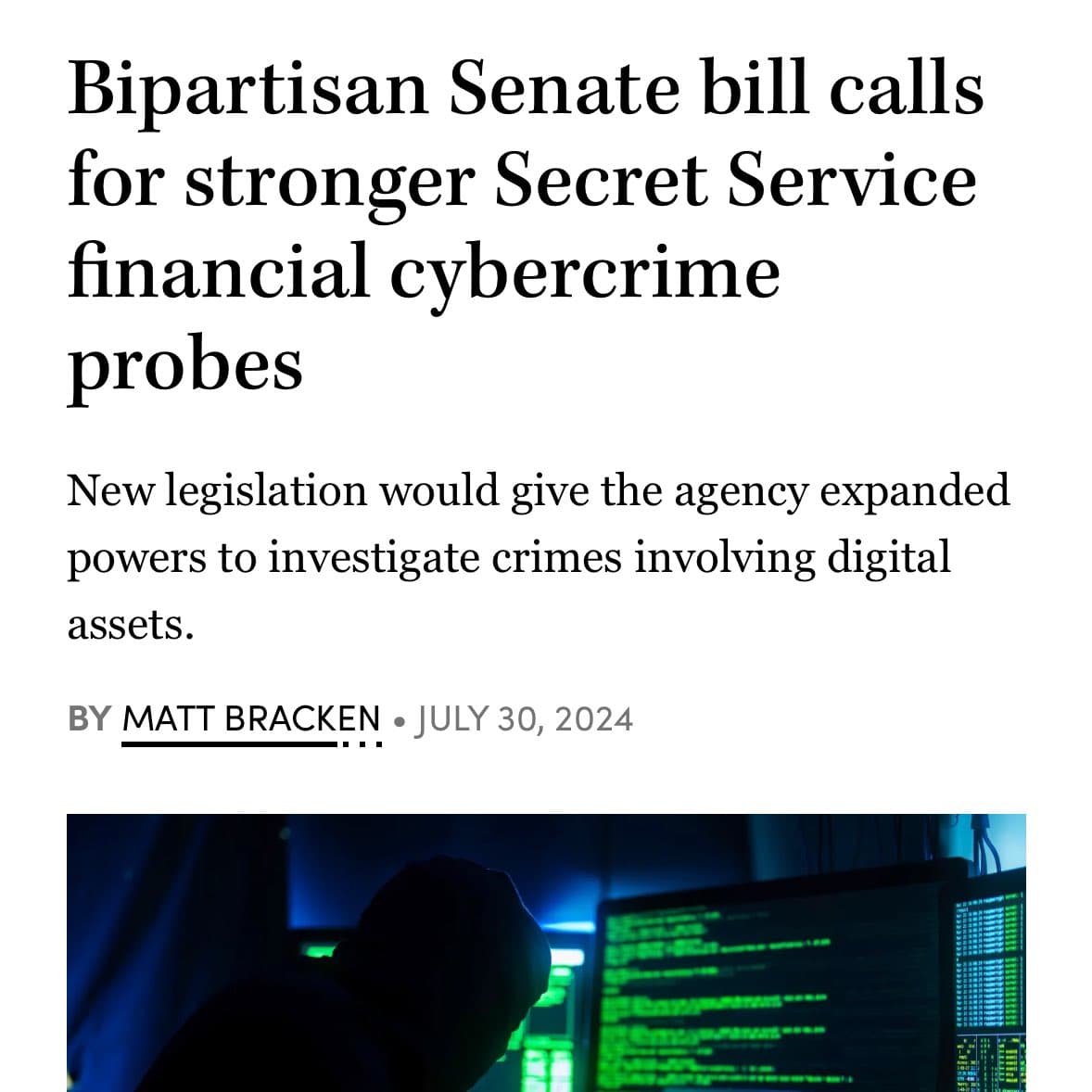
Combatting Money Laundering in Cyber Crime Act of 2025

Details
This bill strengthens the United States Secret Service's authority to investigate crimes involving digital asset transactions, unlicensed money transmitting businesses, structured transactions, and fraud against financial institutions. It expands the Secret Service's jurisdiction to include money laundering and broadens the definition of financial institutions for enforcement purposes. Additionally, the bill extends FinCEN's data retention period from 5 to 10 years and mandates a GAO study on deterring money laundering in cybercrimes.
Add your own commentary on this stance

Very Pro-Crypto

Voted for a bill on 2025-03-04
Bill Name
S.J. Res 3

Details
A joint resolution providing for congressional disapproval under chapter 8 of title 5, United States Code, of the rule submitted by the Internal Revenue Service relating to "Gross Proceeds Reporting by Brokers That Regularly Provide Services Effectuating Digital Asset Sales".

Vote Type
Final Passage Out Of Senate
Add your own commentary on this stance

Neutral on Crypto

X profile picture of @SenCortezMasto
Senator Cortez Masto
@SenCortezMasto
Criminal organizations are increasingly using digital assets to violate the law and fund their operations, which is why I introduced a bipartisan bill to give federal law enforcement the tools to fight back and keep our communities safe.
tweet image
2024-08-12T02:09:11.000Z
View original post
Commentary on Stance
Add your own commentary on this stance
Profile picture of Stand With Crypto
Stand With Crypto
marked this stance as neutral on crypto
Profile picture of DoTheySupportIt
DoTheySupportIt
marked this stance as neutral on crypto

Neutral on Crypto

X profile picture of @SenCortezMasto
Senator Cortez Masto
@SenCortezMasto
My new bill with @ChuckGrassley gives the Secret Service the tools to investigate criminal organizations using digital assets to evade the law. The Secret Service plays a critical role in combatting financial crime, and our bill will ensure they can continue to keep us safe.
2024-08-04T01:50:00.000Z
View original post
Add your own commentary on this stance

Very Anti-Crypto

Voted against a bill on 2024-05-16
Bill Name
SAB 121 House Joint Resolution

Details
For congressional disapproval under chapter 8 of title 5, United States Code, of the rule submitted by the Securities and Exchange Commission relating to "Staff Accounting Bulletin No. 121". This staff accounting bulletin expresses the views of the staff regarding the accounting for obligations to safeguard crypto-assets an entity holds for platform users.

Vote Type
Final Passage Out Of Senate
Add your own commentary on this stance

Very Anti-Crypto

X profile picture of @SenCortezMasto
Senator Cortez Masto
@SenCortezMasto
Cryptocurrency technologies have allowed terrorists like Hamas to raise millions to fund their operations. Enough is enough. I'm calling on @POTUS to take action now to stop the flow of crypto funds to Hamas. kolotv.com/2023/10/19/cor…
tweet image
2023-10-21T21:15:00.000Z
View original post
Add your own commentary on this stance

Very Anti-Crypto

X profile picture of @SenCortezMasto
Senator Cortez Masto
@SenCortezMasto
Terrorists like Hamas are using cryptocurrency to raise millions to fund their operations and it has to be stopped. I'm joining a bipartisan group of my colleagues to make sure the Biden Admin. is taking action to stop terror groups from taking advantage of crypto technologies.
2023-10-20T02:55:34.000Z
View original post
Add your own commentary on this stance

Very Anti-Crypto

X profile picture of @SenCortezMasto
Senator Cortez Masto
@SenCortezMasto
International drug cartels and organized criminals are using digital assets to fund their illegal activities. That's why I'm working on a bipartisan bill to close these loopholes, cut off funding for cartels, and protect Nevada communities.
X profile picture of @KOLO8
KOLO8
@KOLO8
U.S. Senator Catherine Cortez Masto is cosponsoring a bill that would crack down on crypto-money laundering, drug trafficking, and ransomware kolotv.com/2023/09/15/cor…
2023-09-16T01:00:09.000Z
2023-09-20T14:09:00.000Z
View original post
Add your own commentary on this stance

Very Anti-Crypto

Cosponsored a bill on 2023-09-14
Bill Name
Digital Asset Anti-Money Laundering Act of 2023

Details
This bill, titled the "Digital Asset Anti-Money Laundering Act of 2023," seeks to significantly expand the regulatory reach of the Financial Crimes Enforcement Network (FinCEN) over digital assets. It redefines "financial institution" to include unhosted wallet providers, digital asset miners, validators, and other network participants, subjecting them to Bank Secrecy Act obligations. The bill also mandates regulations on anonymity-enhanced cryptocurrencies and mixers, and imposes reporting requirements for digital assets held outside the U.S.
Add your own commentary on this stance