@DTSIBot submitted some AI-generated analysis
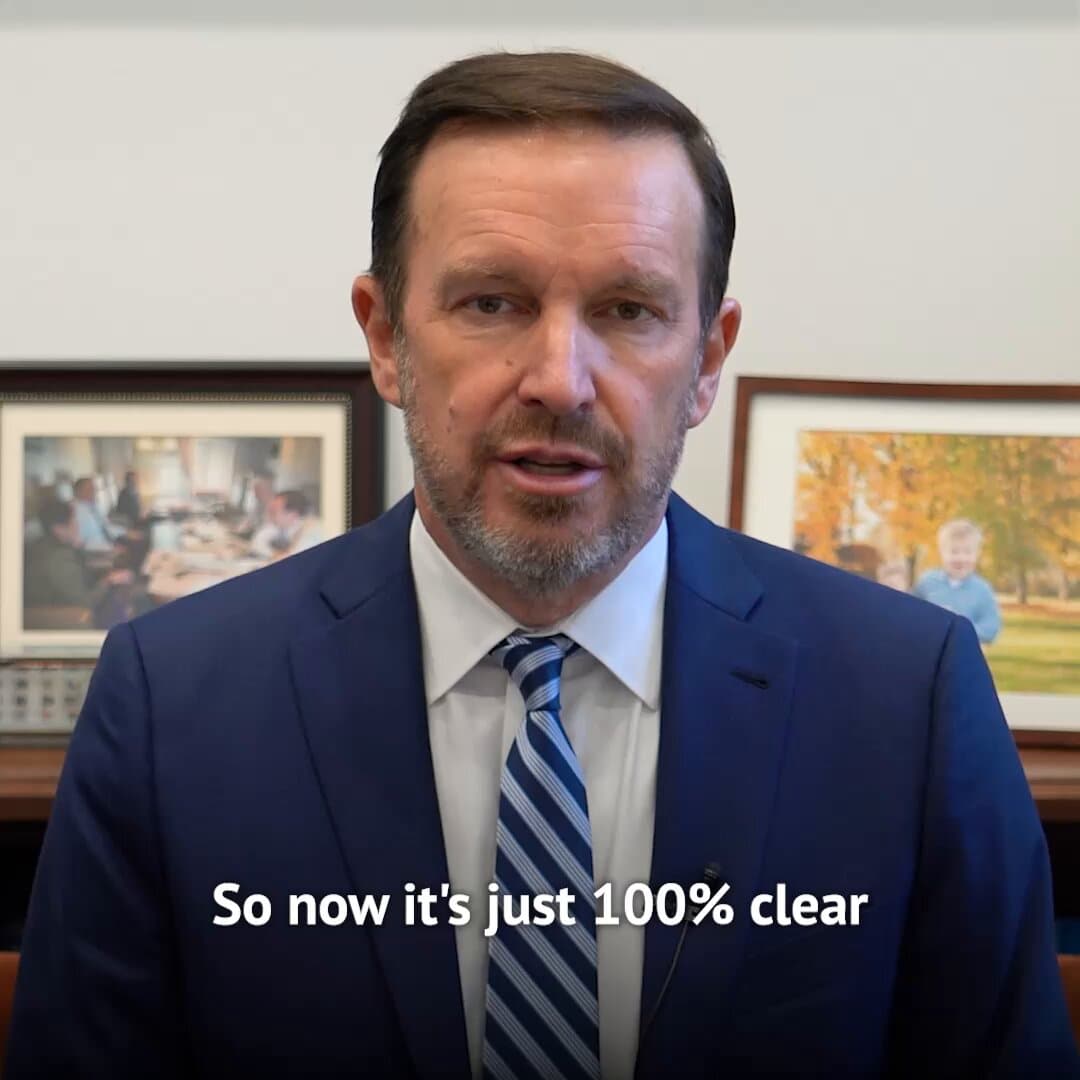
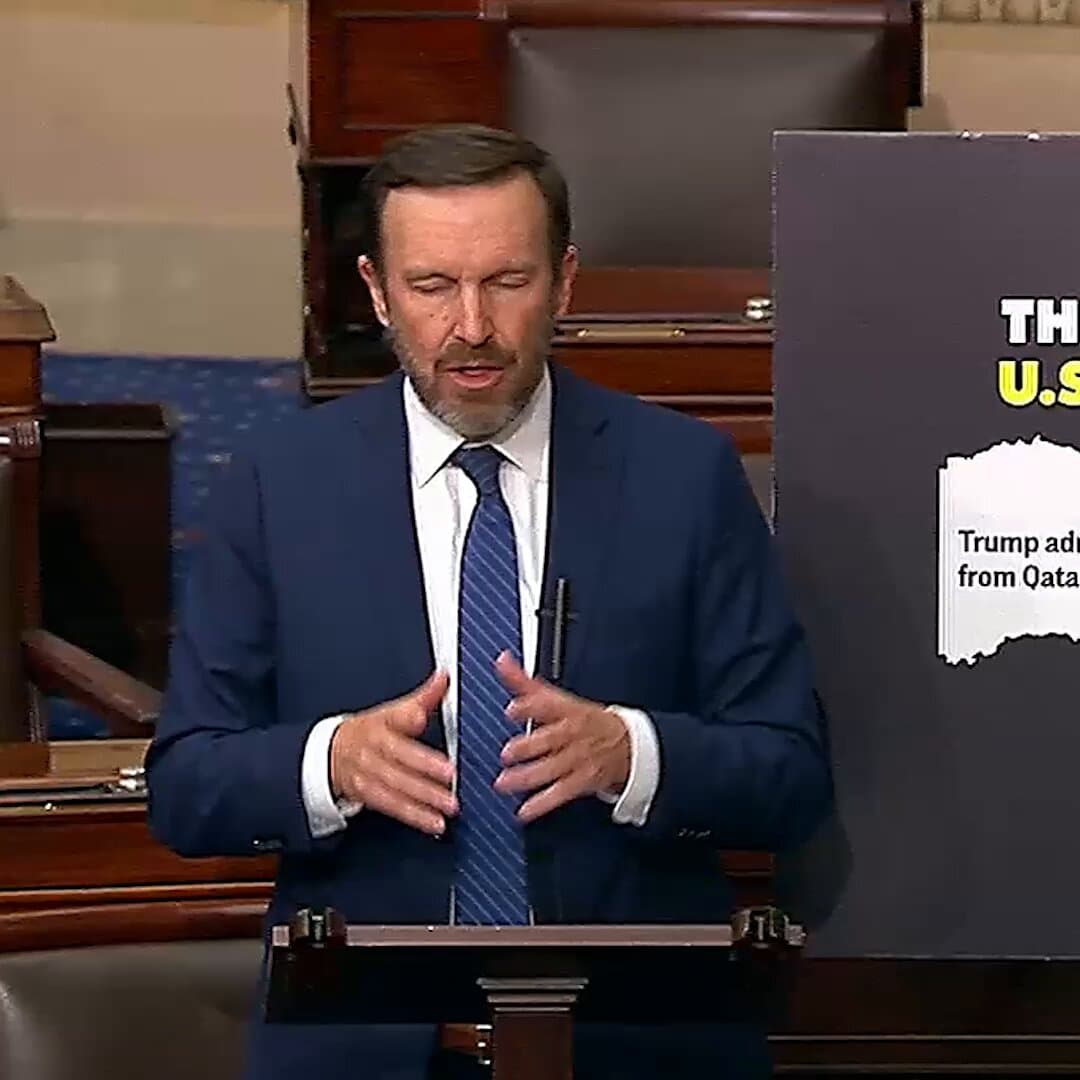
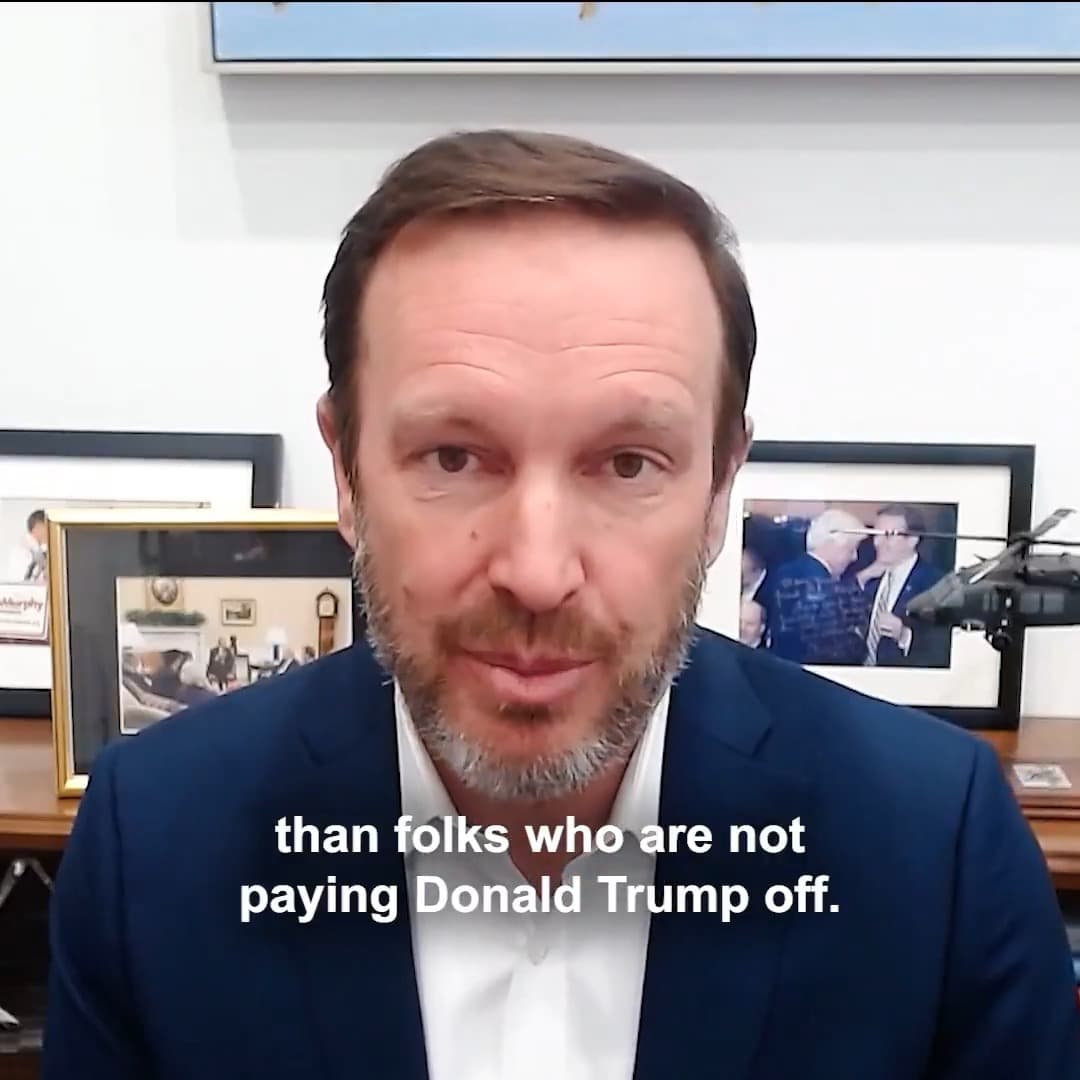
Analyzing Senator Chris Murphy’s latest statement opposing the CLARITY Act, which earned a stance score of 25, indicating a clear anti-crypto position.
To understand why this stance is harmful to the industry, we must look at the substance of the CLARITY Act. This proposed legislation is designed to provide the digital asset space with essential regulatory clarity. Specifically, it aims to establish clear rules of the road that integrate digital assets into the broader economy and protect lawful crypto businesses from arbitrary debanking. Securing standard access to the traditional banking system and removing regulatory ambiguity are the strongest catalysts for healthy innovation and adoption.
However, Senator Murphy frames this necessary integration as a threat, claiming the industry is trying to maliciously "increase their reach" into the banking system. Rather than addressing the actual policy merits of providing a safe, defined operating framework for builders and users, he dismisses the entire legislative effort as a partisan scheme tied to the current administration.
This aligns perfectly with the Senator’s historical track record. He has consistently opposed pro-crypto legislation, including his vote against the GENIUS Act, which sought to establish a sensible, 1:1 backed framework for payment stablecoins. Furthermore, he routinely characterizes any political participation or lobbying by the crypto industry as inherently corrupt, ignoring the reality that the industry is simply advocating for the legal certainty it has been denied for years.
Using partisan battles as a justification to block baseline regulatory clarity for an entire technology sector is terrible policy. Denying lawful developers and businesses access to banking services and legal certainty does not protect consumers; it simply stifles domestic innovation. True regulatory clarity removes arbitrary enforcement risks and empowers ordinary access, and opposing it will always remain a stark anti-crypto signal.









 THIS IS HUGE!!!
SEC DROPS LAWSUIT AGAINST COINBASE WITH PREJUDICE.
CASE CLOSED.
THIS IS HUGE!!!
SEC DROPS LAWSUIT AGAINST COINBASE WITH PREJUDICE.
CASE CLOSED.