Debbie Zachary Stith Wants to know :
Debbie Zachary Stith
Disclosure:
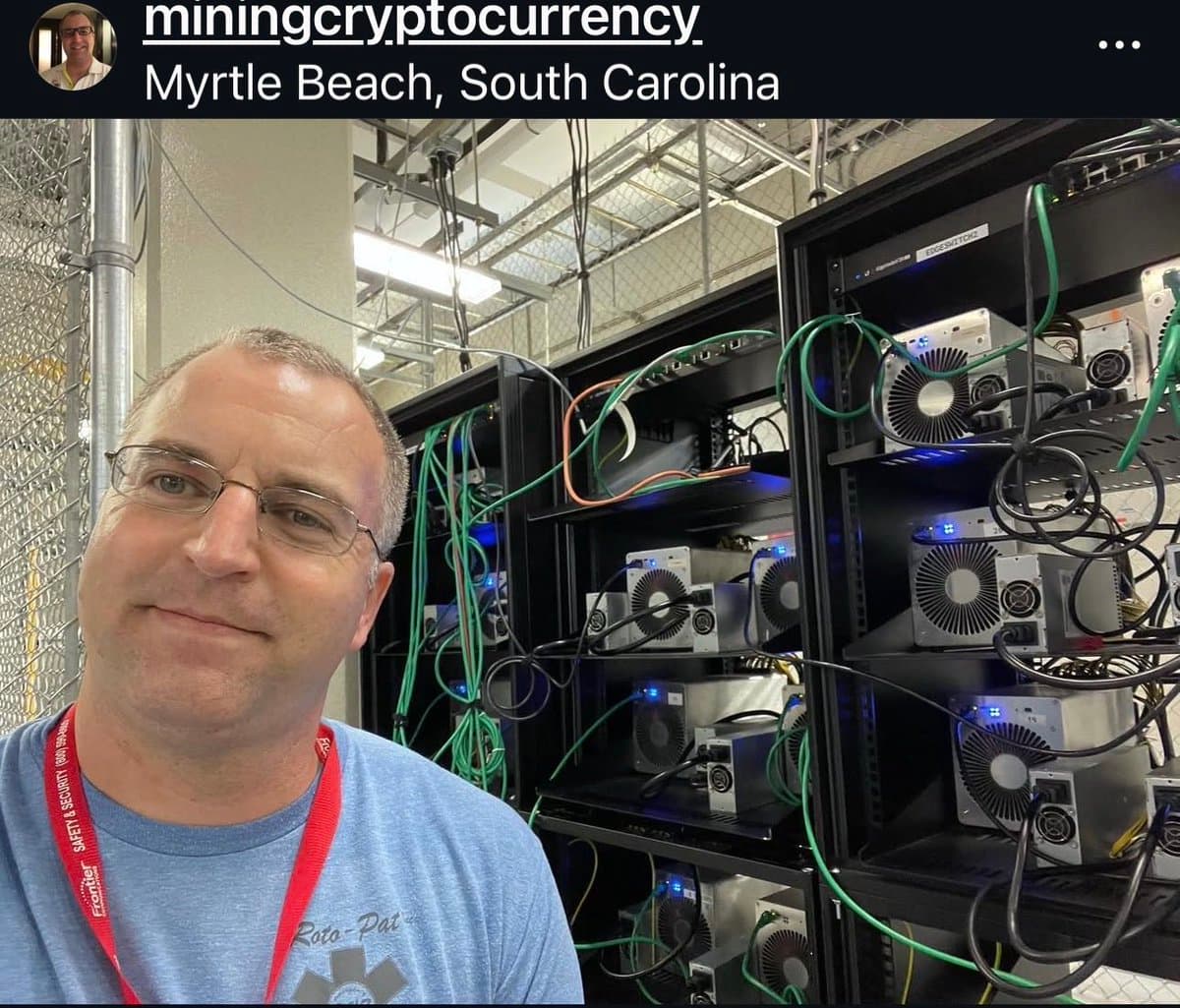
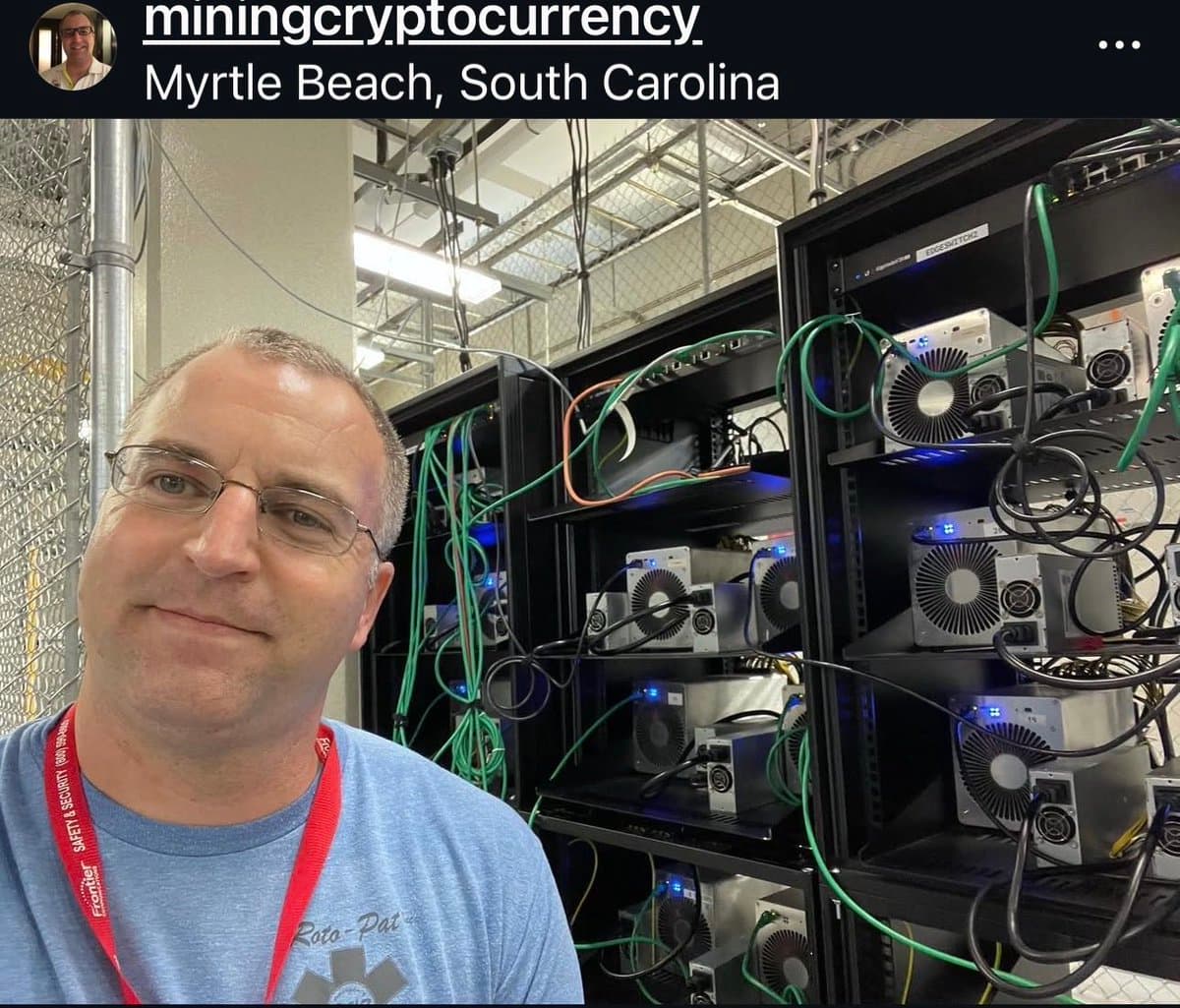
I currently have a personal data center on my property with 96 × 220V plugs in a 288-square-foot space. I’m no longer using it for cryptocurrency mining. It’s used for emergency food storage, a gun vault, nd home office space.
2. Thank you for asking about my opinion on data centers. I appreciate the opportunity to share my perspective based on real-world experience.
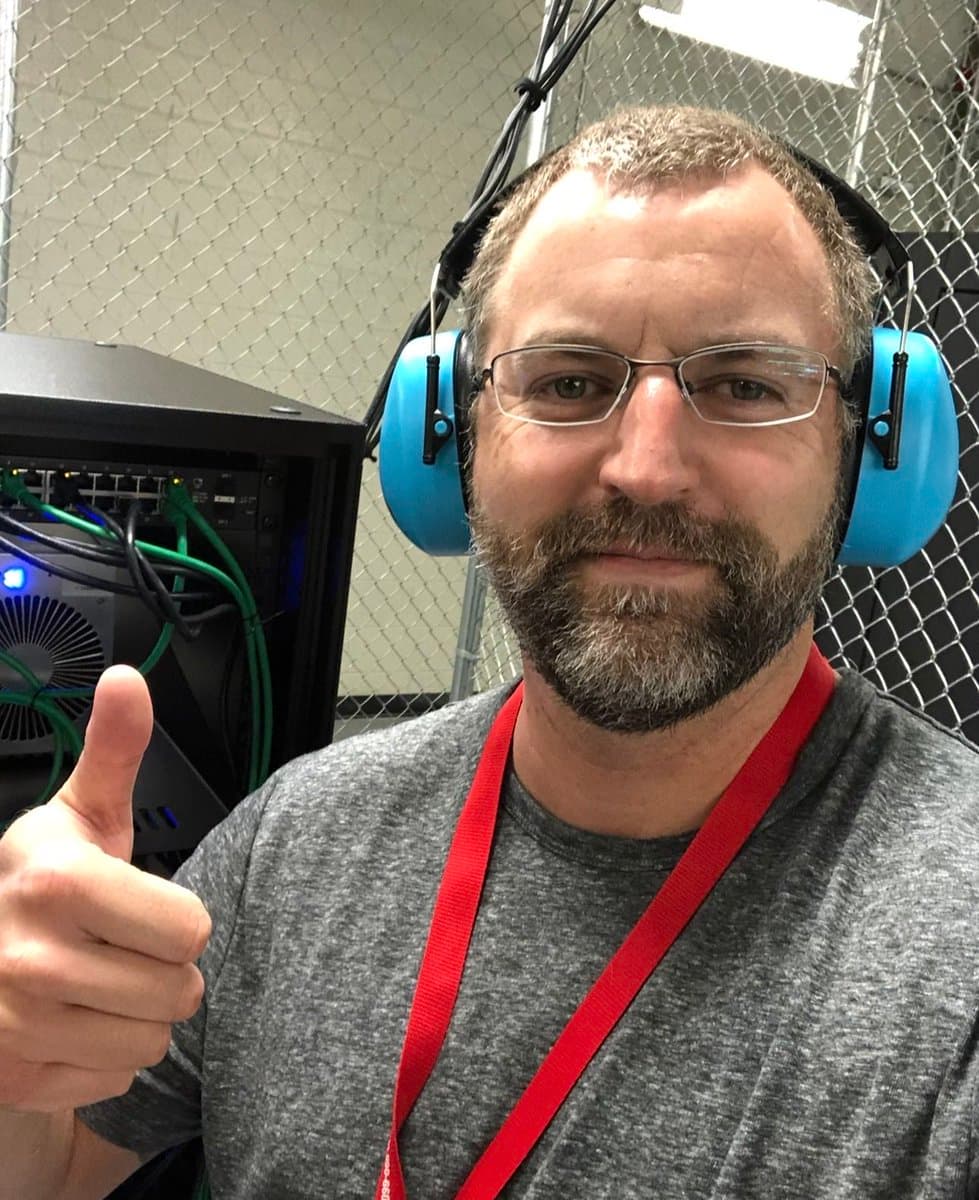
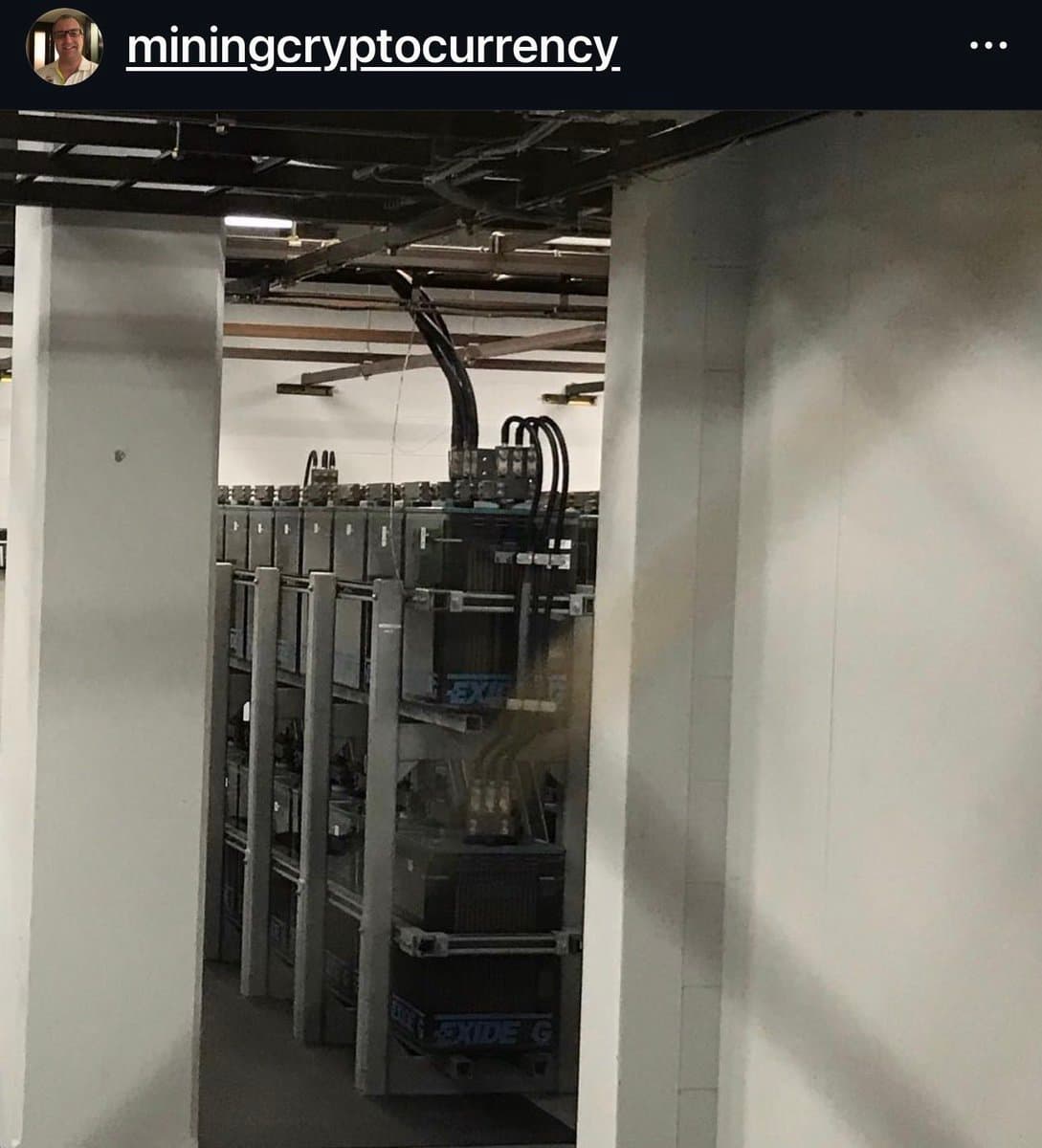
For three years I held a contract inside the data center on Joe White Avenue, where I was actively mining cryptocurrency. That hands-on time gave me a clear understanding of how these facilities operate and just how much electricity they consume.
The single best example of how data centers should be done right comes from a company called TeraWulf. They don’t just build data centers—they understand the electrical grid at a deep level. The key is simple: you only locate a data center in areas that are easily accessible by main power lines. You pre-buy electricity and lock in contracts for available power before you ever turn on a single server. You don’t drop a massive facility into a high-demand zone that already lacks capacity. That forward-thinking approach is exactly why TeraWulf has been so successful.
They also actively monitor peak-hour demand and certain weather conditions, then deliberately reduce their power usage during those high-stress periods. In short, responsible data centers only consume electricity that is actually available, and they have the flexibility to source it from different parts of the grid at different times of the year.
As I have stated before, I completely disagree with peak hours. We should not have them. Period.
Bottom line: If data centers are managed responsibly—with the same grid intelligence that TeraWulf demonstrates—I am fully okay with them. But if they are poorly planned, ignore grid realities, or fail to respect available electricity supply, then I am not okay with them.
I’m always happy to discuss this further or answer any specific questions you may have about energy infrastructure in our area.
MY knowledge of data centers is extensive.





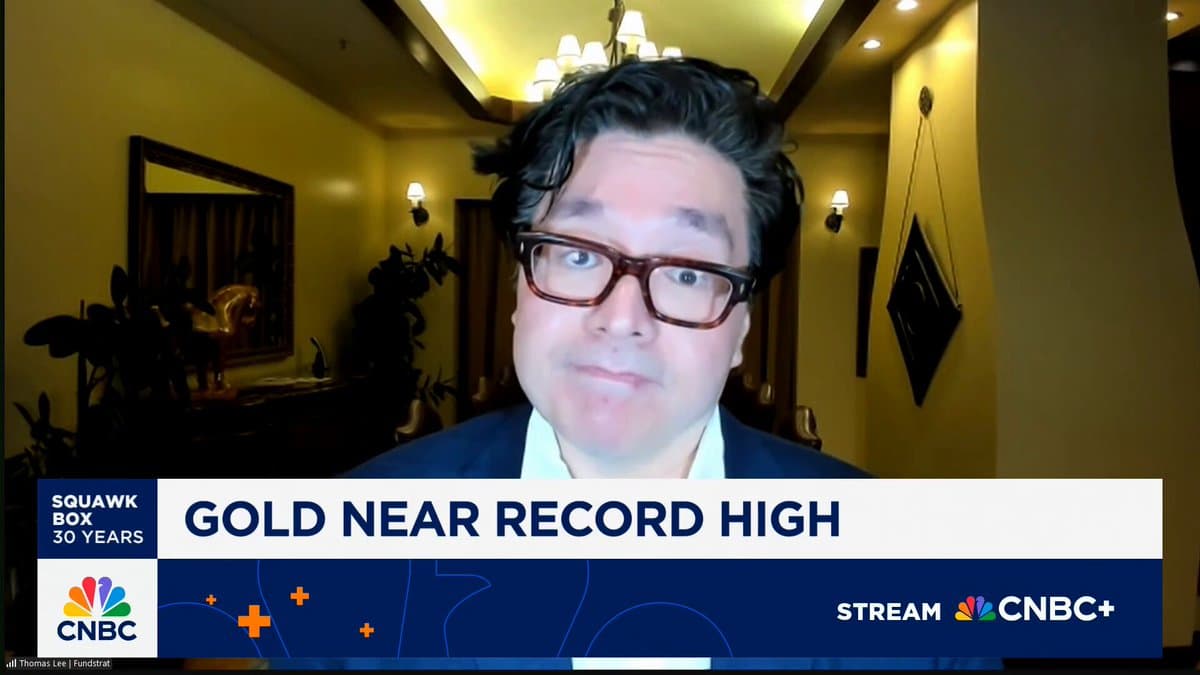
 ALERT: WallStreetBets apes are storming the

 Extreme scenario deep dive: 41.4% short float (102M shares dug in) with a measly 2.1 days to cover? That’s gasoline on the fire. Layer in the $3.2B bond turbocharge—Google-guaranteed 360MW HPC/AI ramp at Lake Mariner unlocking $9B+ revenue over 10yrs at 85% margins. Shorts forced to cover 50%? Boom—51M shares slamming into a 177M effective float (after 700K call deltas = 70M shares hedged). Dealers gamma-ramping? Float crushes to oblivion, liquidity 2x spikes, price elasticity goes parabolic.
Base case: $13.86 + $15/share bond uplift = $29 fair value. Extreme squeeze: 0.5x float absorption + chain reaction covering = $55+ MOONSHOT territory. Q3 earnings drop Nov 11? BTC blasting to $150K at the channel top (upper Bollinger screaming it)? This “dip” is the ultimate loading zone for a 4x–5x rip from here—sustainable mining + AI infra dominance rerates WULF to $60+ EV multiples. Verified apes: Shorts are sweating, institutions piling calls. Who’s front-running with Jan $20s? Load up, HODL tight—this rocket’s fueled.
Extreme scenario deep dive: 41.4% short float (102M shares dug in) with a measly 2.1 days to cover? That’s gasoline on the fire. Layer in the $3.2B bond turbocharge—Google-guaranteed 360MW HPC/AI ramp at Lake Mariner unlocking $9B+ revenue over 10yrs at 85% margins. Shorts forced to cover 50%? Boom—51M shares slamming into a 177M effective float (after 700K call deltas = 70M shares hedged). Dealers gamma-ramping? Float crushes to oblivion, liquidity 2x spikes, price elasticity goes parabolic.
Base case: $13.86 + $15/share bond uplift = $29 fair value. Extreme squeeze: 0.5x float absorption + chain reaction covering = $55+ MOONSHOT territory. Q3 earnings drop Nov 11? BTC blasting to $150K at the channel top (upper Bollinger screaming it)? This “dip” is the ultimate loading zone for a 4x–5x rip from here—sustainable mining + AI infra dominance rerates WULF to $60+ EV multiples. Verified apes: Shorts are sweating, institutions piling calls. Who’s front-running with Jan $20s? Load up, HODL tight—this rocket’s fueled. 




 Eric Trump believes Bitcoin will surpass $1,000,000.
 US Senate Finance Committee to hold a crypto taxation hearing next week with industry experts.



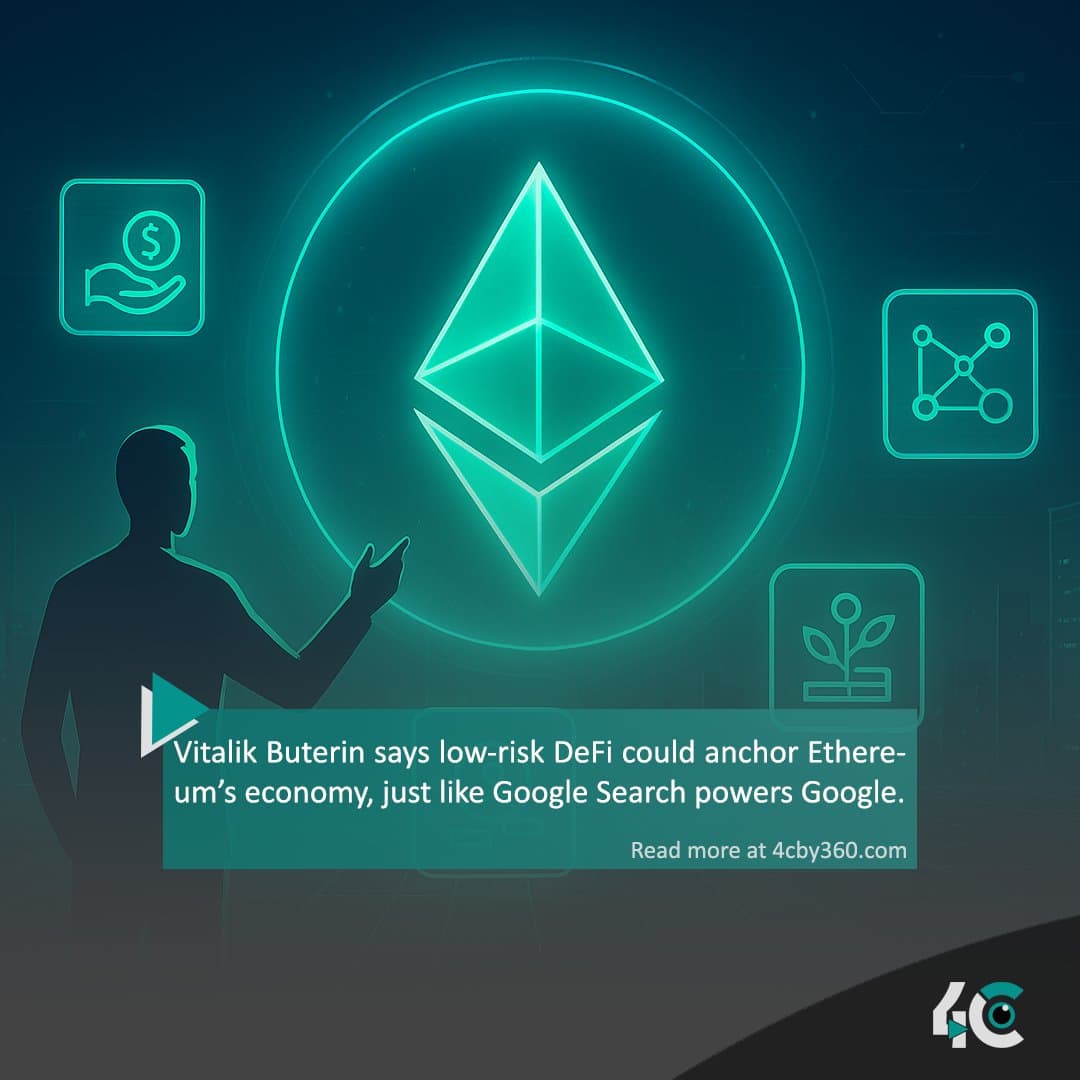
 Vitalik Buterin says low-risk DeFi could anchor Ethereum’s economy, just like Google Search powers Google.
ETH’s ecosystem evolving for stability & growth.
Vitalik Buterin says low-risk DeFi could anchor Ethereum’s economy, just like Google Search powers Google.
ETH’s ecosystem evolving for stability & growth.