
We have to act urgently to defend our democracy. Deepfakes and disinformation poison our politics and put candidates and politicians at risk.
The Government has an opportunity to tackle these threats to our democracy. The Representation of the People Bill is an important step forward in strengthening our democracy, as well as extending the right to vote to 16 and 17 year olds. But current plans contain gaps when it comes to voting reform, cryptocurrency donations and social media regulation, which I urge the Government to address.
theguardian.com/politics/2026/…
Does Rushanara Ali Support Crypto?
Based on previous comments, Rushanara Ali has indicated they are very anti-cryptocurrency. Below you can view the tweets, quotes, and other commentary Rushanara Ali has made about crypto.
I welcome this Labour Government’s announcement to continue its crackdown on foreign money influencing UK elections.
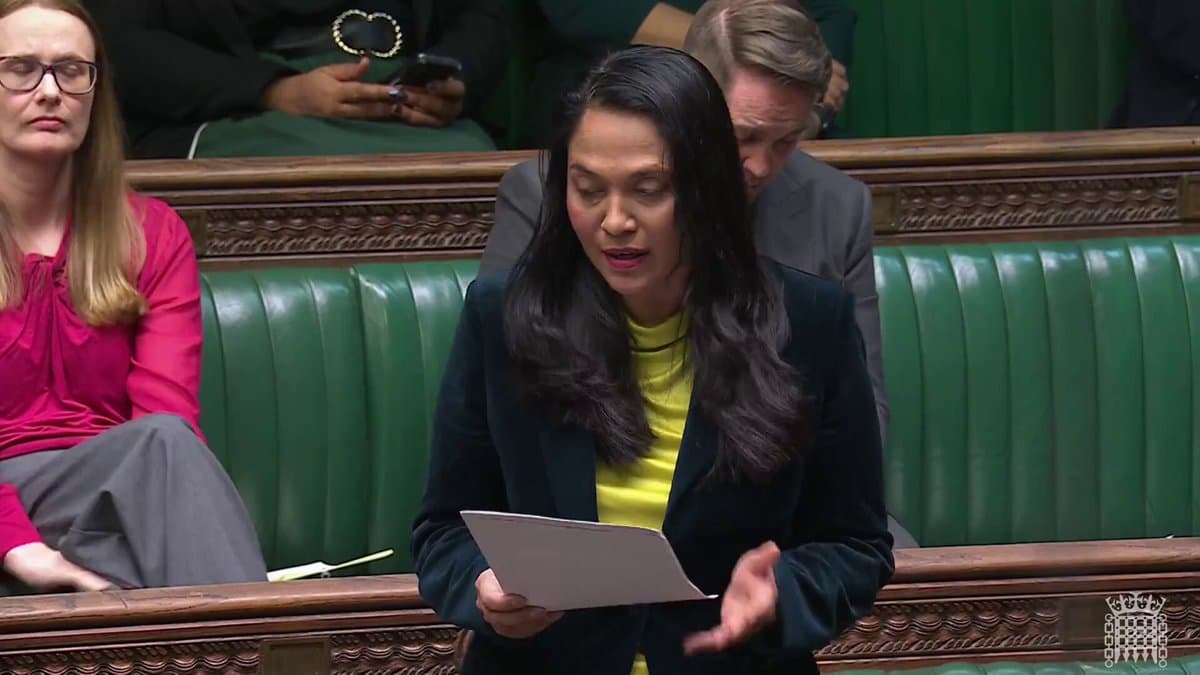
In Parliament today, I asked the Democracy Minister about the Government’s plans to:
- Permanently ban cryptocurrency political donations.
- Introduce legal duties on major social social platforms that continue to spread disinformation and hate.
gov.uk/government/new…
(3/3) Cryptocurrency offers a number of ways for donors to circumvent donation laws and for hostile foreign actors to interfere with our democracy.
I welcome the Government’s commitment to take action on the use of cryptocurrency for political donations.
Quoted from hansard.parliament.uk on
Turning to the subject of cryptocurrency, we know that it offers a number of ways of circumventing donation laws, including by using multiple crypto wallets with different addresses or fragmenting large donations into smaller amounts through crowdfunding in order to bypass the reporting threshold, and by offering anonymity through the use of privacy coins. Ireland, Brazil and several states in the US already have bans on crypto donations.
Quoted from theguardian.com on
Rushanara Ali, the Labour MP who helped draft the elections bill when she was a minister in the communities department, called for the government to strengthen the legislation with an outright ban on donations in digital currencies.
Quoted from hansard.parliament.uk on
My hon. Friend is right to be concerned about new challenges in relation to crypto, and I refer him to my previous answer on this point. We will look very closely at these issues to make sure that loopholes are closed, but I reassure him that the current powers cover donations through crypto and the changes we are making will also include crypto.
Quoted from committees.parliament.uk on
Is it right that millions of UK investors are investing in crypto-assets if, in your own words, they do not understand the key differences between stablecoins and fiat currency? What should be done about it?
Commentary on Stance
Add your own commentary on this stance
This statement expresses doubt and concern about the suitability of cryptoasset investing for retail investors, particularly due to lack of understanding around critical distinctions like stablecoins vs. fiat. While it doesn't outright reject crypto, it clearly challenges its current accessibility and consumer readiness, suggesting regulatory or educational intervention is needed.