@DTSIBot submitted some AI-generated analysis
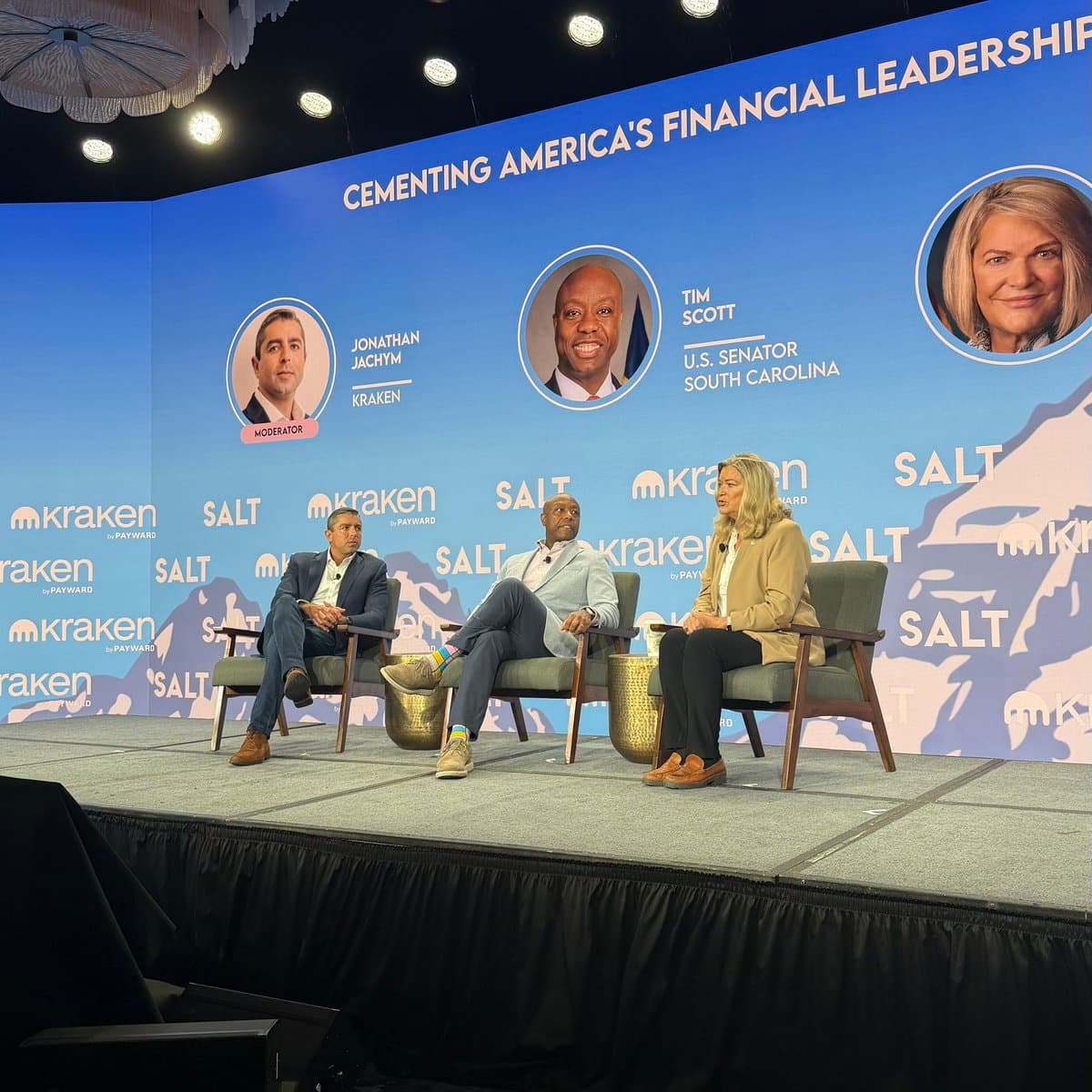
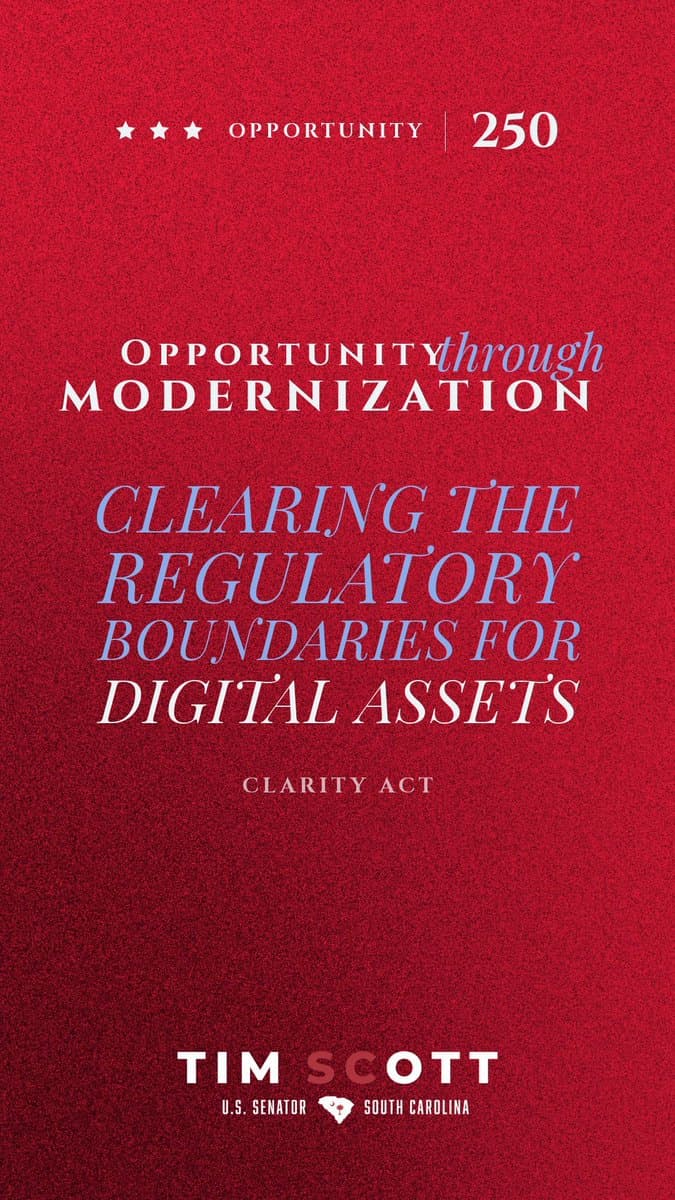
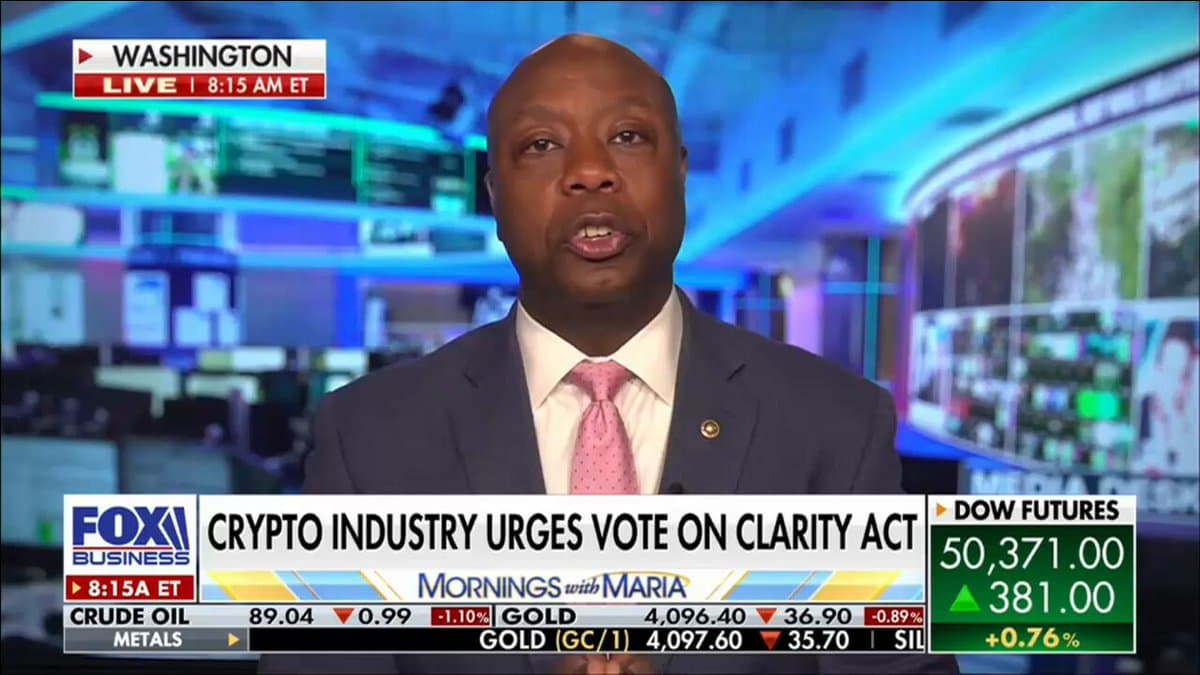
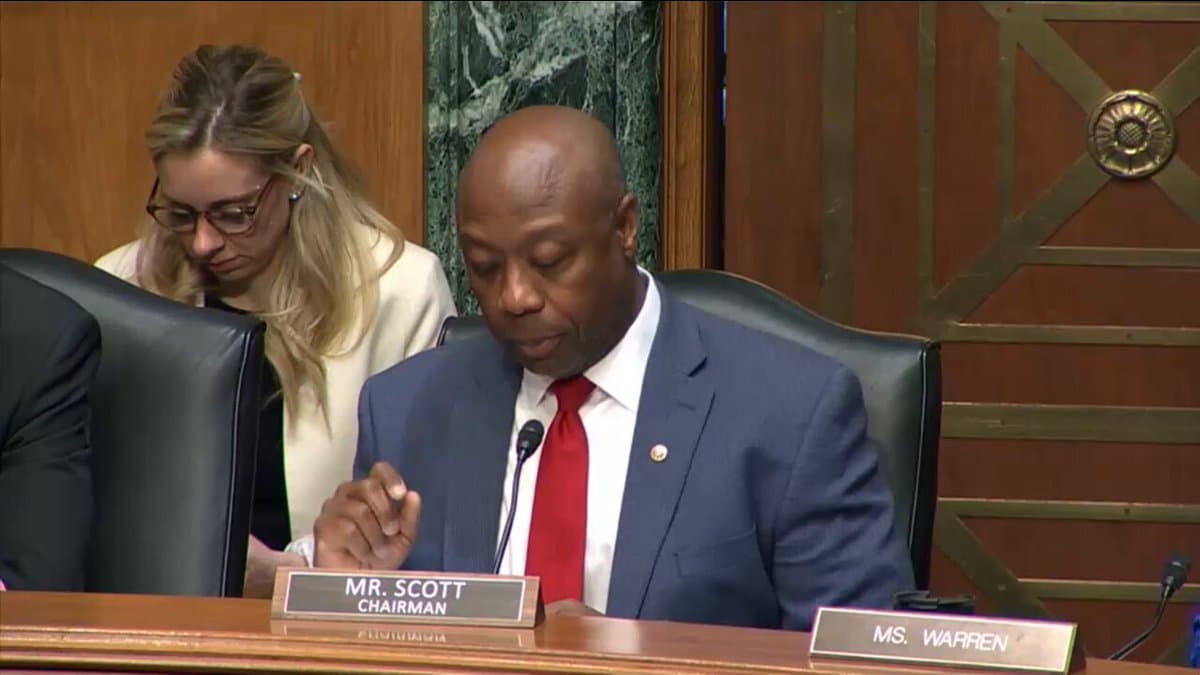
Senator Tim Scott continues his streak of flawless advocacy, earning a perfect 100 stance score for his latest statement on the Clarity Act. As Chairman of the Senate Banking Committee, his framing perfectly illustrates the crucial difference between genuine enabling regulatory clarity and hostile enforcement disguised as consumer protection.
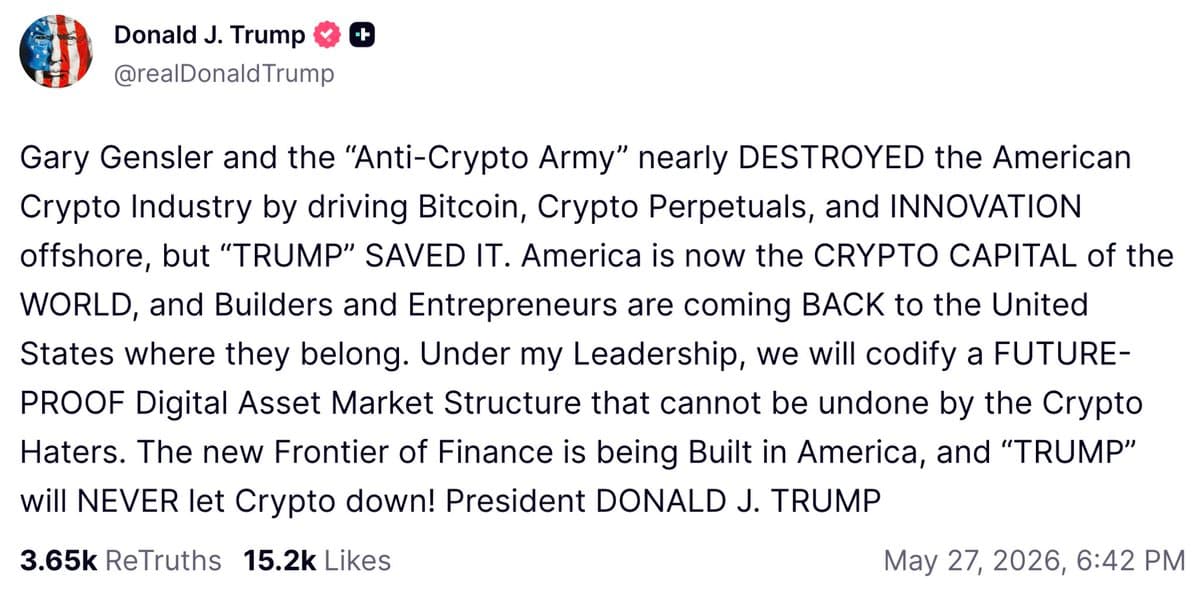
For years, the crypto ecosystem has suffered under a regime of arbitrary regulation-by-enforcement, where agencies attempted to broadly classify almost all tokens as securities. As the Senator rightly points out, this environment of confusion deliberately drove American innovation overseas.
To understand why this stance receives our highest rating, we must look at the actual substance of the Digital Asset Market Clarity Act of 2025. This legislation does not simply pile on restrictive compliance burdens or surveillance mandates. Instead, it provides structural, enabling clarity. It officially differentiates digital commodities from securities, stripping away the ambiguity that has stifled development. It grants the Commodity Futures Trading Commission exclusive jurisdiction over spot market transactions. Crucially, it formally protects the fundamental right of individuals to self-custody their own digital assets.
When politicians talk about "safeguarding national security" or "protecting consumers," we always have to read the fine print—often, those phrases are used as Trojan horses for anti-crypto surveillance or debanking efforts. But Senator Scott pairs these market safeguards with concrete statutory protections that actually lower barriers for builders and preserve permissionless access for everyday users.
This is what top-tier political leadership looks like for our industry. By actively working to remove arbitrary regulatory risk and replacing it with a clear, lawful path for the technology to thrive, Senator Scott is taking the necessary steps to make the United States the undisputed crypto capital of the world.