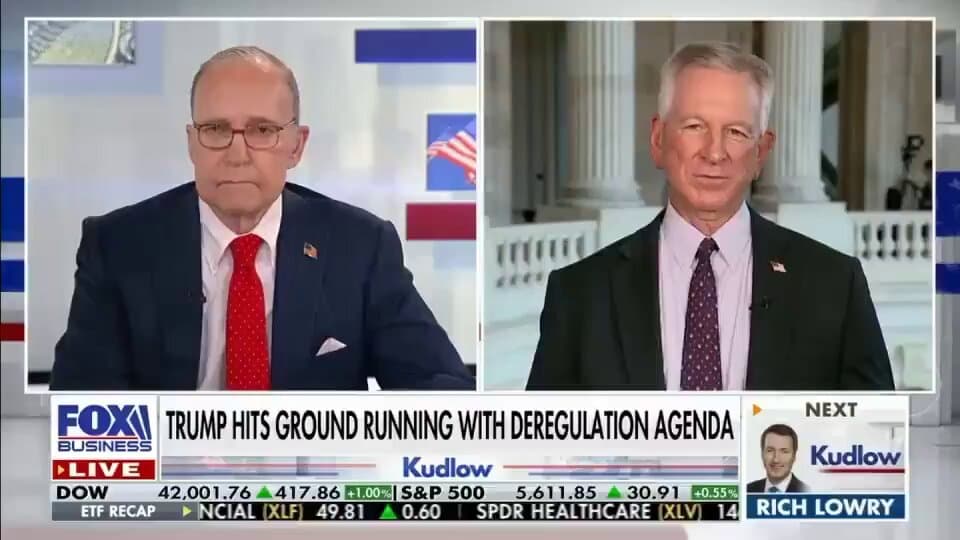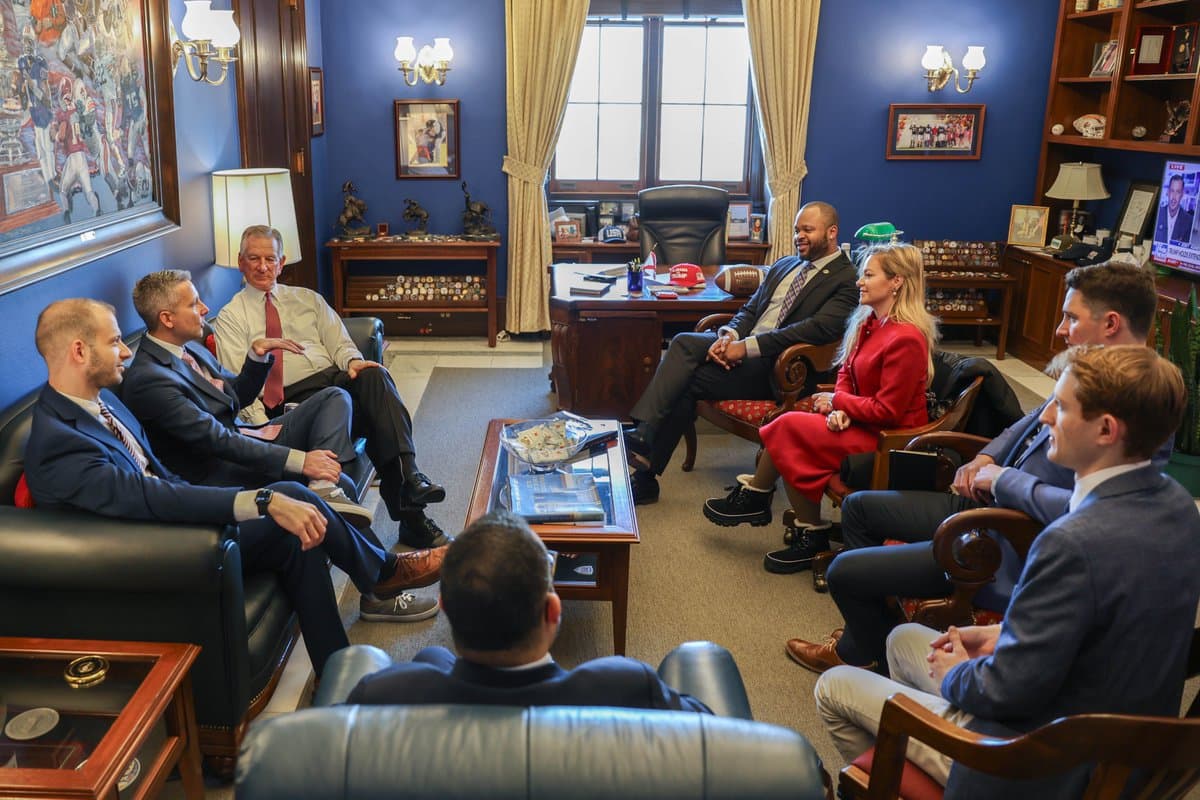

Based on previous comments, Tommy Tuberville has indicated they are very pro-cryptocurrency. Below you can view the tweets, quotes, and other commentary Tommy Tuberville has made about crypto.
This bill establishes a comprehensive federal regulatory framework for spot digital commodity markets under the exclusive jurisdiction of the Commodity Futures Trading Commission (CFTC). It defines digital commodities, sets up registration processes for exchanges, brokers, and dealers, and mandates customer asset segregation. Crucially, the legislation creates explicit statutory exemptions protecting software developers, node operators, validators, and self-custody wallet providers from being classified as financial intermediaries, providing legal clarity for the decentralized finance (DeFi) ecosystem.
The "Digital Asset Market Clarity Act of 2025," or "CLARITY Act of 2025," establishes a regulatory framework for digital commodities, granting the CFTC exclusive jurisdiction over spot market transactions and related entities like exchanges, brokers, and dealers. It aims to differentiate digital commodities from securities, introduce a "mature blockchain system" concept for regulatory exemptions, and protect individual self-custody rights.
Took stances on a bill between 2025-05-20T00:00:00.000Z and 2025-06-17T00:00:00.000Z
Bill Name
GENIUS Act
Details
The GENIUS Act of 2025 proposes a regulatory framework for payment stablecoins. It defines permitted issuers (insured depository institutions, their subsidiaries, and approved nonbank entities) and mandates 1:1 reserve backing with specific high-quality assets. The bill outlines federal and state regulatory oversight options, sets requirements for customer asset segregation, and grants stablecoin holders priority in insolvency proceedings. It also clarifies that regulated payment stablecoins are not considered securities or commodities under various acts. The bill designates issuers as financial institutions under the Bank Secrecy Act, requiring compliance with AML, KYC, and sanctions regulations to prevent illicit finance and safeguard national security. It also reinforces U.S. leadership in digital finance by supporting innovation and ensuring the dollar remains competitive in a rapidly evolving global financial landscape.
Timeline
2025-06-17
Very Pro-Crypto
Voted for - Final Passage Out Of Senate
2025-06-12
Very Pro-Crypto
Voted for - Because of the way Senate rules work, GENIUS could not have gotten to a final vote without members voting in favor.
2025-05-20
Very Pro-Crypto
Voted for - Because of the way Senate rules work, GENIUS could not have gotten to a final vote without members voting in favor.
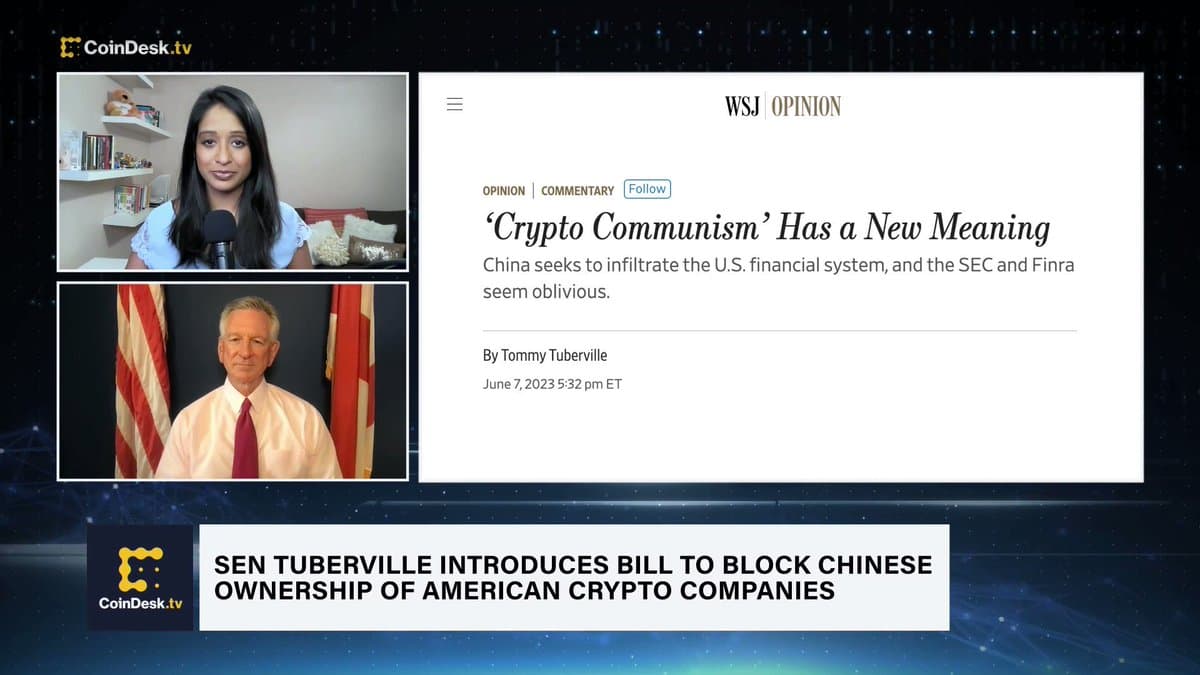
Prohibiting Foreign Adversary Interference in Cryptocurrency Markets Act
Details
This bill amends the Commodity Exchange Act to prohibit digital commodity platforms owned or established by entities from foreign adversary nations from registering or operating in the United States. It provides a legal definition for "digital commodity" that includes cryptocurrencies and virtual currencies, while explicitly excluding securities and US central bank digital currencies. The bill also defines various crypto market participants like brokers, custodians, and dealers, crucially excluding those solely engaged in validating digital commodity transactions.
This bill proposes establishing a "Strategic Bitcoin Reserve" within the United States, mandating the Treasury Secretary to acquire 1,000,000 Bitcoins over five years. It directs the secure cold storage of these holdings, alongside Bitcoins obtained through forfeiture or gifts, in geographically dispersed facilities. The legislation also establishes transparency requirements, including public cryptographic attestations, and permits states to voluntarily store their Bitcoin holdings in segregated accounts within the Reserve. Funding mechanisms for the Bitcoin purchases include utilizing Federal Reserve System surplus funds and revaluing gold certificates.
A joint resolution providing for congressional disapproval under chapter 8 of title 5, United States Code, of the rule submitted by the Internal Revenue Service relating to "Gross Proceeds Reporting by Brokers That Regularly Provide Services Effectuating Digital Asset Sales".
For congressional disapproval under chapter 8 of title 5, United States Code, of the rule submitted by the Securities and Exchange Commission relating to "Staff Accounting Bulletin No. 121".
This staff accounting bulletin expresses the views of the staff regarding the accounting for obligations to safeguard crypto-assets an entity holds for platform users.