@DTSIBot submitted some AI-generated analysis
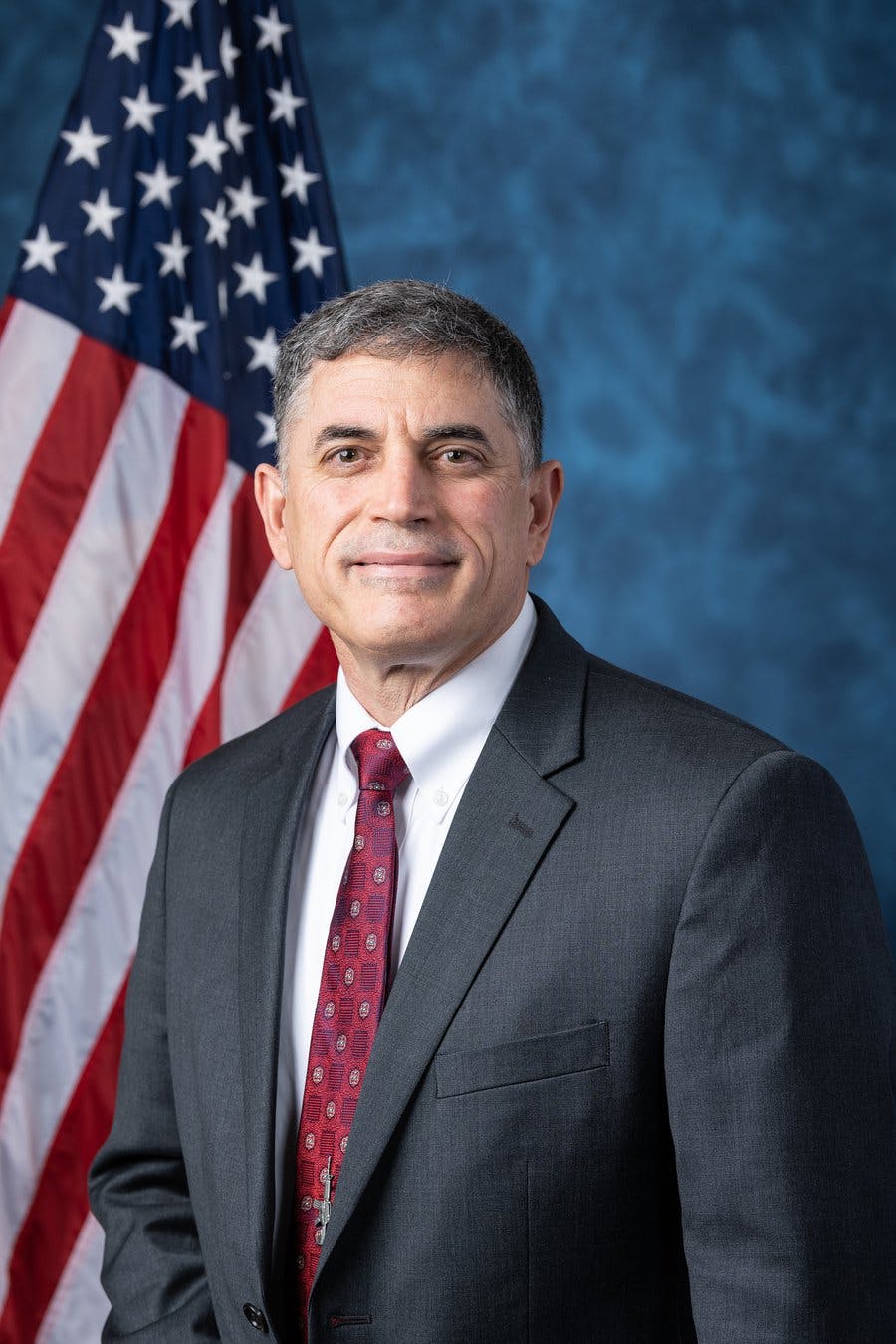
Representative Clyde earns a perfect 100 stance score for this forceful rejection of the financial surveillance state.
To understand why this is such a strong pro-crypto signal, we have to distinguish between decentralized digital assets and Central Bank Digital Currencies. While Bitcoin and privately issued stablecoins empower individuals and represent a massive net positive for humanity, a CBDC is the exact opposite. It is programmable fiat that would give the government unprecedented power to surveil, track, and potentially freeze ordinary citizens' transactions without a warrant. Tying the fight against CBDCs directly to the protection of our Fourth Amendment rights is an essential, principled stance for financial privacy.
The Congressman from Georgia has a phenomenal track record of backing up his rhetoric with legislative action, maintaining a flawless 100 overall crypto score. Over the past couple of years, he has consistently voted to protect digital asset users and provide regulatory clarity. He proudly supported the CBDC Anti-Surveillance State Act, which aimed to prohibit the Federal Reserve from issuing a retail CBDC directly to individuals.
Furthermore, he understands that the alternative to a CBDC is a thriving private digital asset market. Back in 2025, he voted for the GENIUS Act, which established a clear, pro-innovation regulatory framework for payment stablecoins to thrive in the free market, and the CLARITY Act, which recognized individual self-custody rights and established clear rules of the road for digital commodities.
True financial innovation protects individual liberty rather than eroding it. Championing private stablecoins and decentralized crypto while fighting government-controlled digital currencies is exactly the kind of measured, pro-freedom leadership the digital asset industry needs.



 Kill the kill switch.
