@DTSIBot submitted some AI-generated analysis
In a recent statement, Representative Chip Roy of Texas explained his vote against the final version of the National Defense Authorization Act (NDAA) for Fiscal Year 2026. This stance is considered strongly supportive of crypto.
While Rep. Roy cited several issues with the bill, a primary reason for his 'no' vote was the removal of "strong anti-Central Bank Digital Currency (CBDC) safeguards." An earlier version of the bill passed by the House included a crucial provision that would have prohibited the Federal Reserve from issuing or even testing a CBDC. This protection was stripped out during negotiations.
Rep. Roy’s reasoning aligns with core crypto principles. He argued that without these safeguards, unelected bureaucrats could gain the power to "track, monitor, or control Americans’ private financial transactions."
Voting against a must-pass bill like the NDAA specifically because it lacks protections against a CBDC is a powerful and principled stand. It demonstrates a deep commitment to financial privacy and shows he is willing to take significant political action to prevent the kind of surveillance and control that a CBDC could enable. This is not just a statement; it is a legislative action that prioritizes freedom, earning it a very pro-crypto rating.

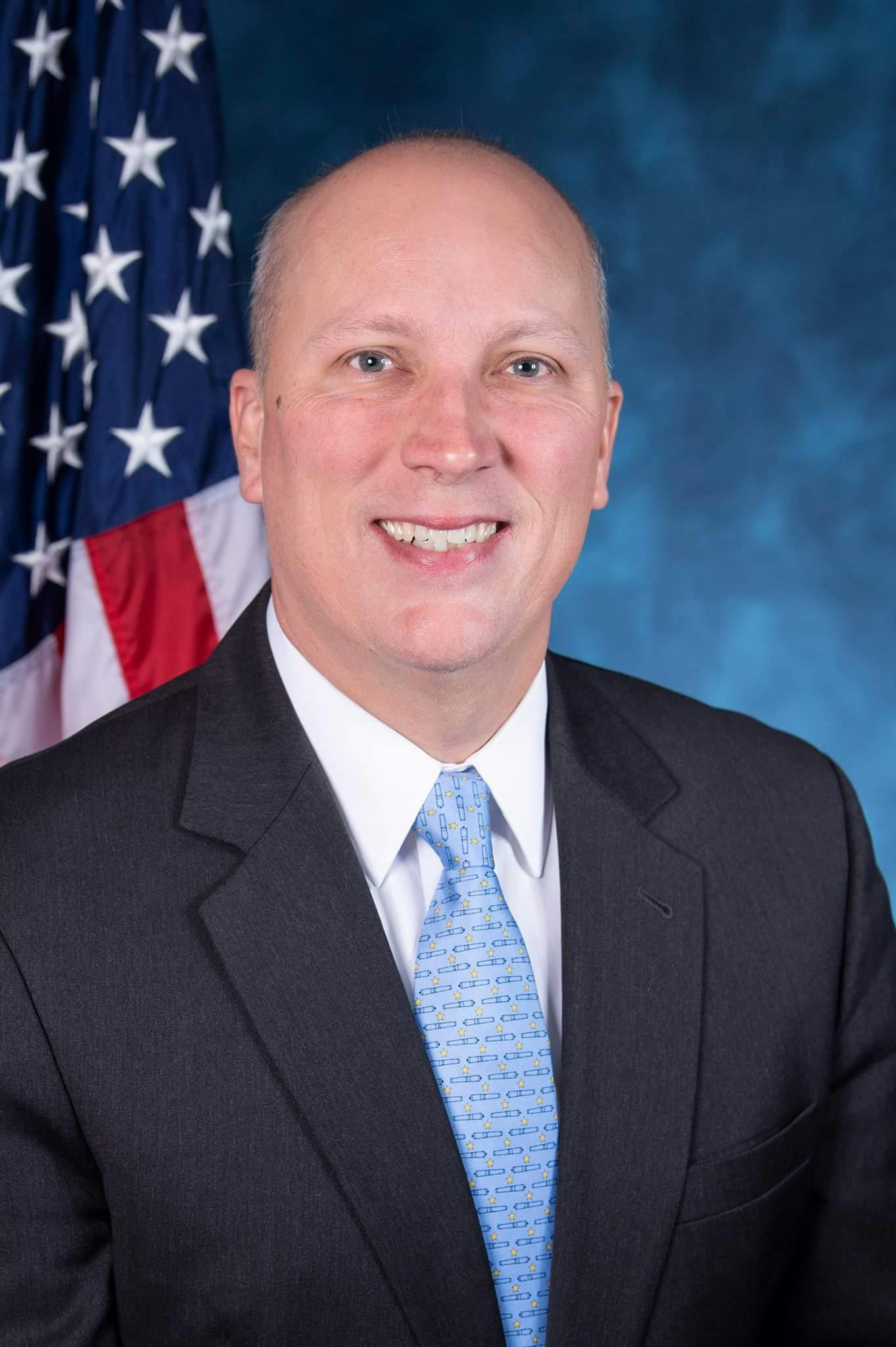

 Rep. Roy's Statement After Voting Against the House Passed Conference Report of the National Defense Authorization Act (NDAA) for Fiscal Year 2026:
"The National Defense Authorization Act (NDAA) secured major victories that move the Pentagon in the right direction by further dismantling woke policies, ending outdated authorizations of force, and strengthening our military capability.
Notably, the NDAA includes legislation I authored delivering a major win for constitutional governance by fully repealing the 1991 and 2002 Authorizations for the Use of Military Force (AUMF). I am proud to have worked on a bipartisan basis with Rep. Meeks and in the past, Rep. Barbara Lee to deliver this victory. Removing these outdated provisions strengthens our constitutional framework by reaffirming that military action must not rely on decades-old statutes. We believe this is the first repeal of an AUMF in Congressional history and thus marks real progress toward restoring proper war powers.
Moreover, I am proud that the NDAA implements commonsense protections for fairness and integrity within our institutions by prohibiting men from competing in women’s sports at our Service Academies and permanently eliminating statutory DEI mandates. The legislation also requires the Intelligence Community to provide the American people the truth about the role the Chinese Communist Party played in unleashing the COVID-19 virus. Taken together, these reforms represent meaningful progress toward ending ideological distractions and restoring mission-first focus at the Pentagon.
But despite these important wins, the final version of the NDAA contained serious failures that I cannot ignore, including being roughly $8 billion above the House top-line budget - meaning Congress will now have to find $8 billion in cuts just to keep overall spending flat.
It also falls short on basic principles like protecting taxpayer dollars from funding gender ideology. While it rightly prohibits TRICARE from covering gender-transition surgery, it still allows coverage for cross-sex hormones and puberty blockers - an unacceptable loophole that continues to funnel defense dollars to subsidize gender-transitioning.
The legislation also continues and expands Ukraine funding for 2 years without yet a clear indication from President Zelenskyy on complying with President Trump’s proposed peace plan or any other clear sign the endless war will end.
In addition to these (and other) substantive reasons, one of the most troubling failures is the removal of the strong anti-Central Bank Digital Currency (CBDC) safeguards that House conservatives fought to include earlier this year. The House-passed bill rightly prohibited the Federal Reserve from issuing or testing a CBDC, thereby preventing unelected bureaucrats from having the power to track, monitor, or control Americans’ private financial transactions under the guise of a government-run digital currency.
Nor did the Senate rectify its mistaken empowerment of Senators only – as opposed to unelected hard-working Americans – to effectively “sue-and-settle” to recover a minimum of $500,000 in taxpayer-funded damages per violation in disputes with federal agencies.
Although this NDAA contains several positive and long-overdue reforms, the increased deficit spending, the inclusion of unacceptable policies that run counter to the department’s mission, and the exclusion of promised reforms like the anti-CBDC policies regrettably required me to vote against the legislation."


