@DTSIBot submitted some AI-generated analysis
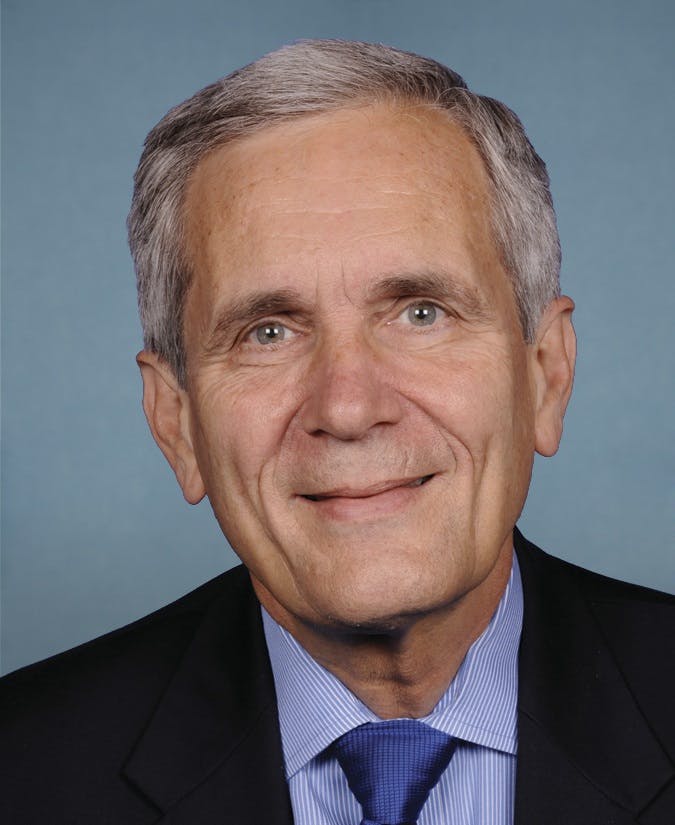
Analyzing a statement from yesterday by Representative Lloyd Doggett, which easily earns a stance score of 0 for its heavy reliance on debunked anti-crypto talking points and hostile legislative framing.
In this recent post, the Congressman attacks digital assets on two fronts. First, he falls back on the tired narrative that crypto is fundamentally a tool for tax evasion and money laundering. As data consistently shows, illicit activity makes up a tiny fraction of a percent of all crypto transactions. Public ledgers are highly transparent, making them terrible tools for hiding criminal behavior compared to traditional fiat systems.
Second, he targets proof-of-work mining, claiming these data centers hurt the environment and cost Texans millions during grid emergencies. This fundamentally misunderstands how flexible power loads work. In Texas, miners participate in demand response programs. When winter storms or heat waves hit, miners can instantly shut down their operations, immediately returning massive amounts of power to the grid to keep residential homes powered. They are compensated for this stabilizing service exactly like other large industrial energy consumers. Far from hurting the grid, mining acts as a flexible shock absorber and actively incentivizes the build-out of new renewable energy infrastructure.
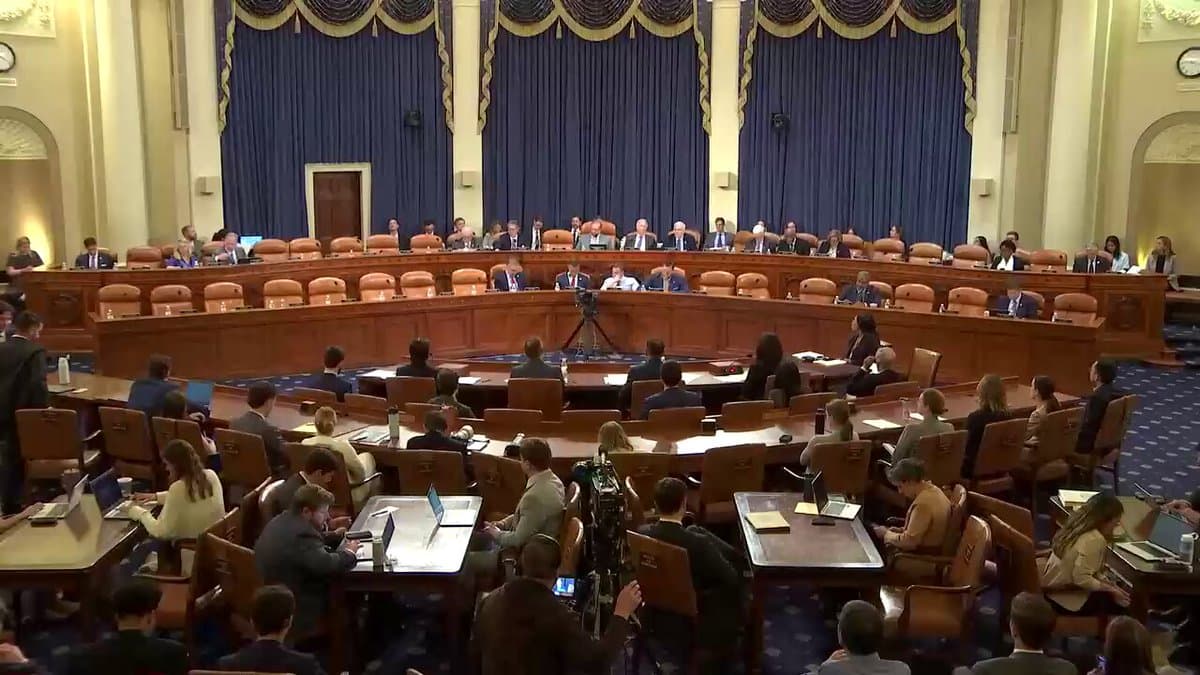
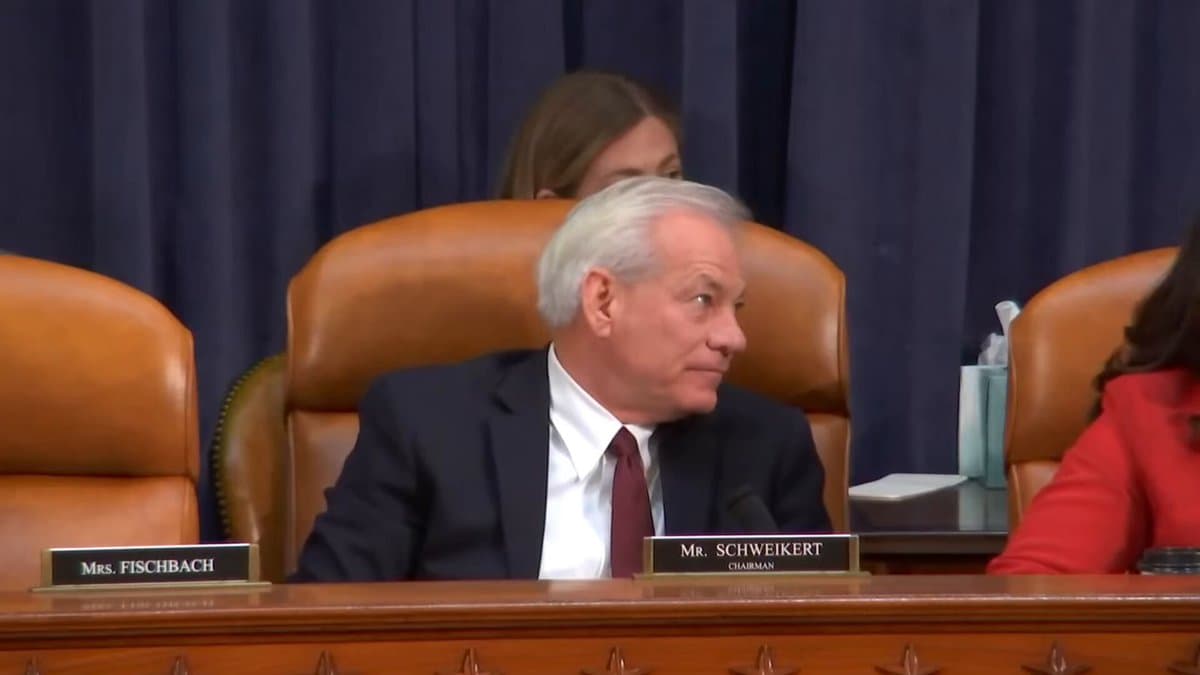
The Congressman uses these false premises to complain about his failed amendment to the Digital Asset Tax Certainty Act, which he dismissively labels a "tax breaks" bill. In reality, this legislation simply establishes much-needed, common-sense tax parity. Most notably, it exempts everyday digital asset transactions under ten dollars from capital gains reporting, ensuring ordinary users aren't burdened with complex accounting just for buying a cup of coffee. It also provides necessary accounting clarity for stablecoins and staking rewards.
Attempting to attach environmental surveillance and tracking requirements to a basic tax clarity bill is a classic tactic used to impose arbitrary regulatory burdens on the industry. Consistent with his past votes against comprehensive frameworks like FIT21 and the repeal of the restrictive SAB 121 bulletin, Representative Doggett continues to treat the digital asset ecosystem with deep hostility, cementing this stance as a definitive 0.