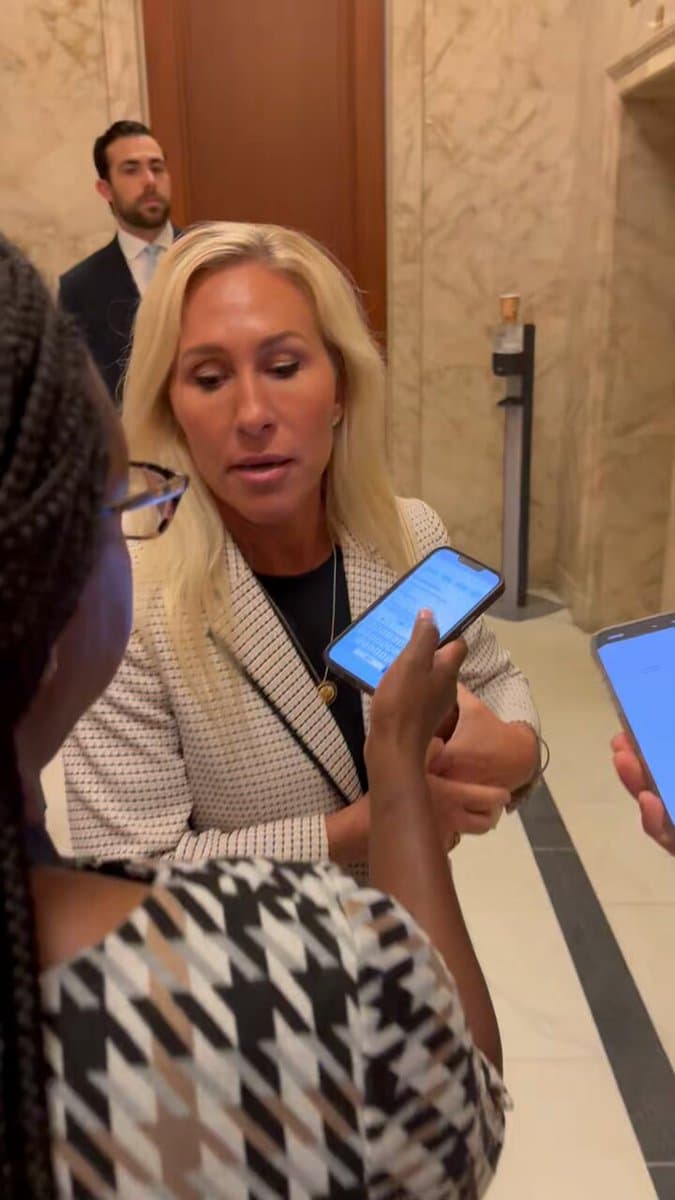

This is so extremely important. Happened last night on the House floor.
The GOP is done.
Behind the veil, they are one and the same as the Democrats.
The betrayal on FISA, no ban on CBDC, not stopping AI in cars, protecting Glyphosate, the Iran war, and no domestic agenda ving and health insurance is all unforgivable.

Former Congresswoman Marjorie Taylor Greene🇺🇸
@FmrRepMTG
This is remarkable and you should watch this entire video.
The House was going to pass a 45 day extension of FISA 702 (Foreign Intelligence Surveillance Act), BY VOICE WITHOUT VOTING, and Thomas Massie courageously forced a debate and demanded a recorded vote.
Jim Jordan who ically led the debate AGAINST warrants and urged a YES vote for a clean extension WITHOUT warrants, which is what Trump is demanding even after FISA was used against him by the Democrats to spy on him and his campaign. Trump literally says give up your rights and just pass it and Jordan won’t go against Trump even though he wants warrant requirements.
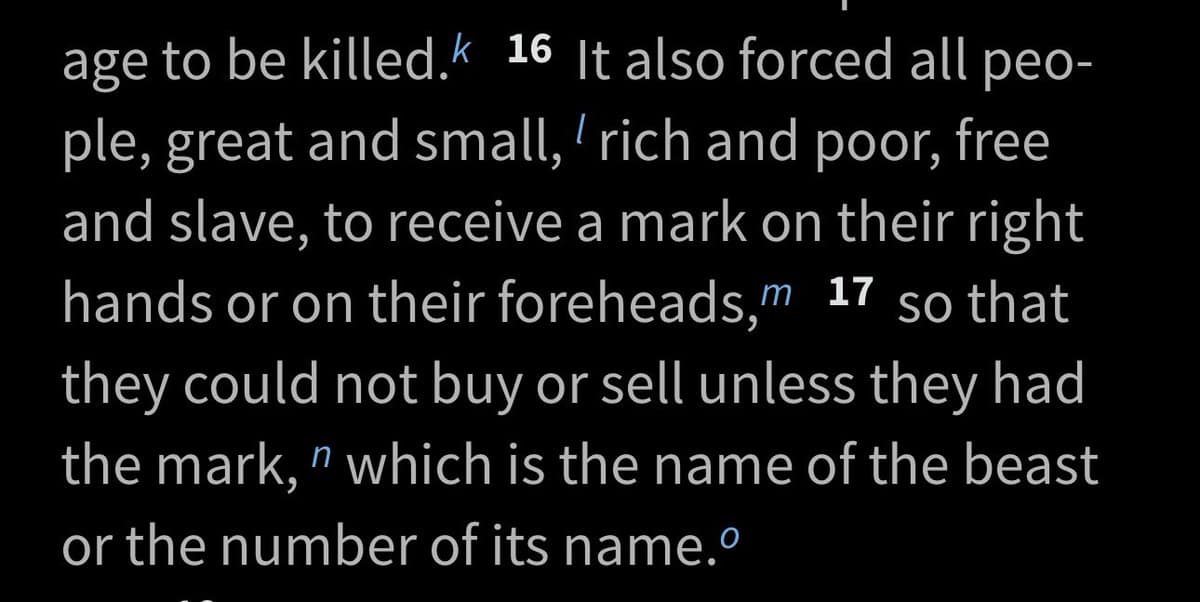
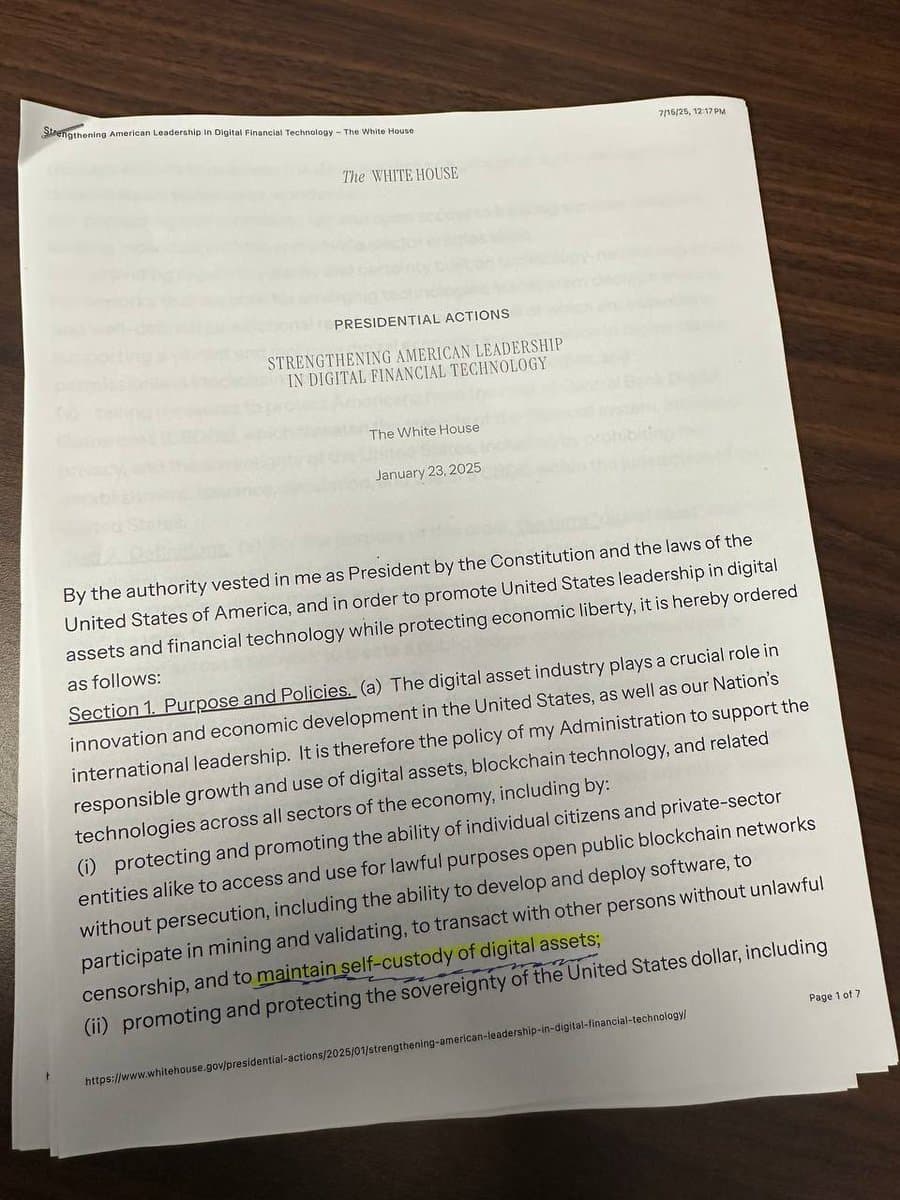
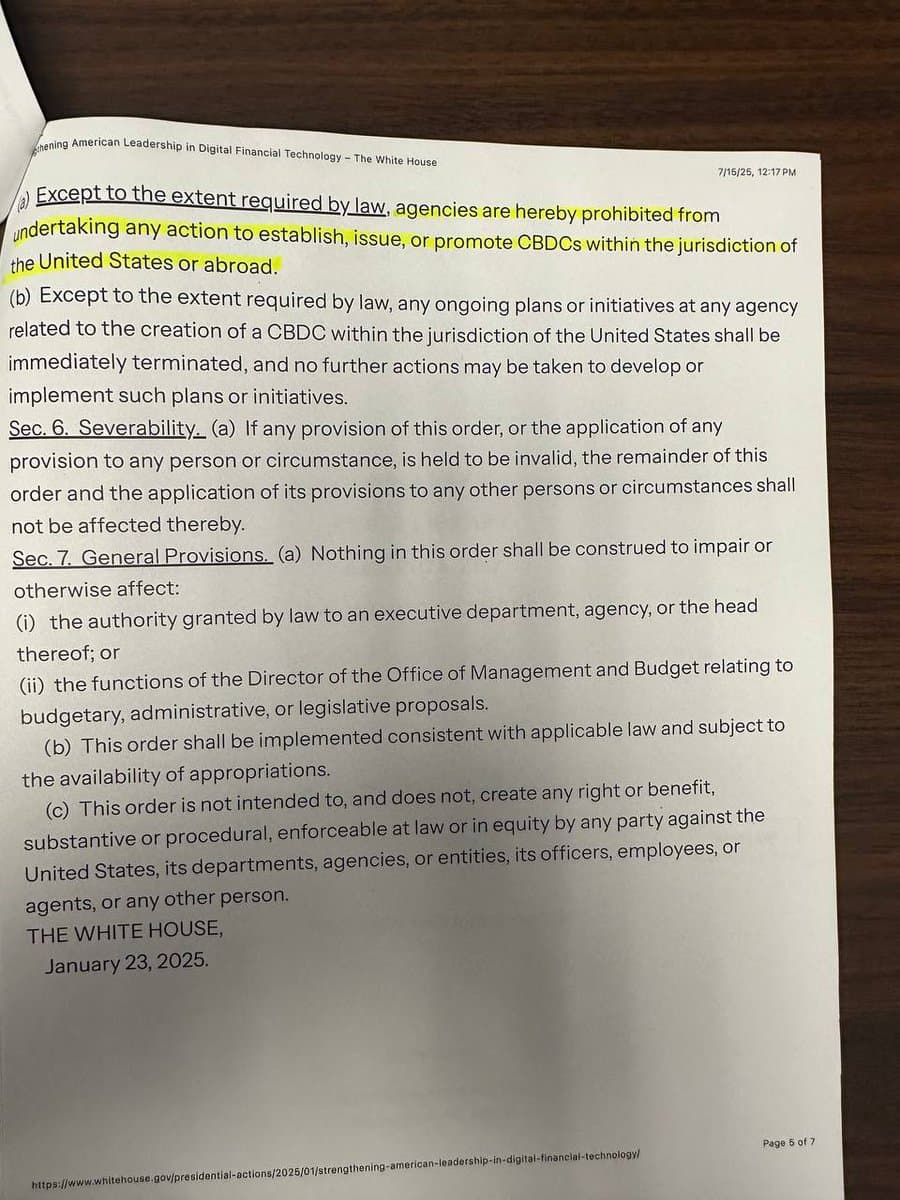
Chip Roy, Warren Davidson, and Keith Self joined Thomas Massie and made strong cases as to why Congress must add warrant requirements to FISA 702 and why a Central Bank Digital Currency must be banned and how both are powerful tools of control and surveillance and violation of your privacy and liberties.
And Jamie Raskin (D) gave compelling arguments as to why bipartisanship is needed in the House to make reforms to FISA 702 yet after doing so he voted YES to a clean 45 day extension of FISA 702 without warrant requirements, which makes no sense. Why demand change and then literally vote for what you just argued against? However never forget under Biden and Democrats FISA 702 was used to spy on hundreds of thousands of Americans.
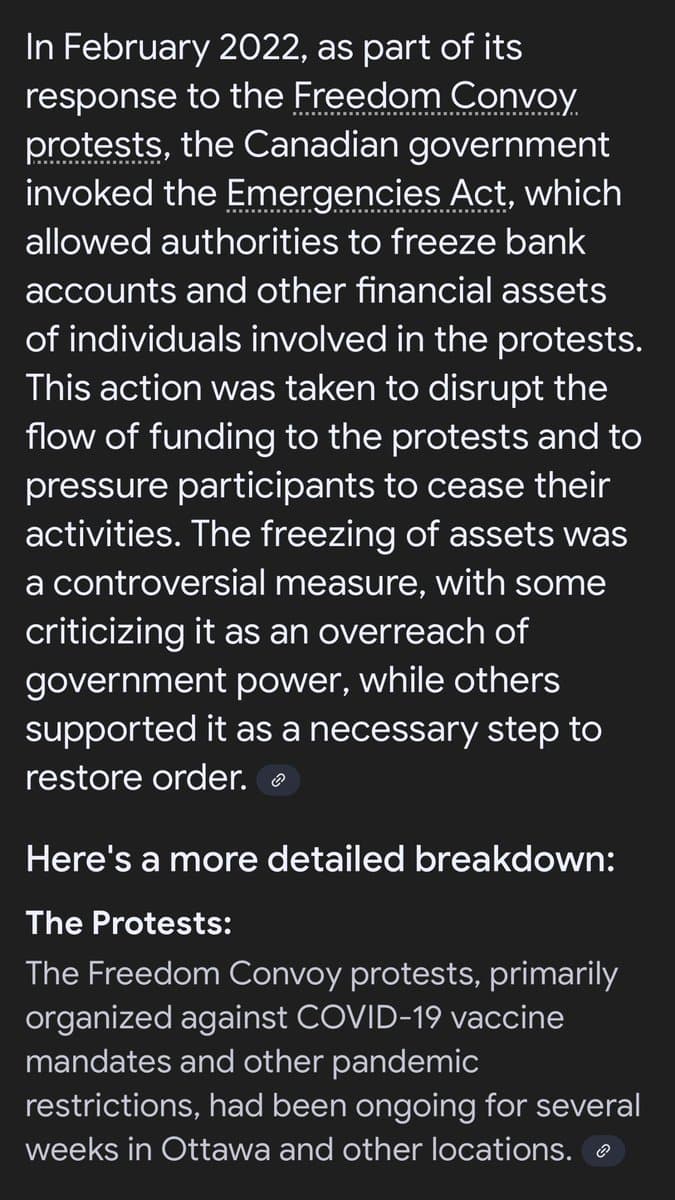
Also, the Republican controlled Senate and its leader John Thune will not vote for a ban on Central Bank Digital Currency, saying it’s dead on arrival in the Senate. And neither will the Democrats.
To sum it up, Americans are literally losing our precious privacy and freedoms right now under Trump and Republicans, yet Democrats are no better and have made no major policy changes that caused them to lose in 2024. They are only winning because Trump and Republicans have betrayed the most important campaign promises.
111 members of Congress voted NAY (NO) to the 45 day FISA 702 extension without warrant requirements for Americans so that your government can spy on you. Some voted NO in a partisan manner and because they hate Trump and some voted NO because they truly want change.
Either way, those who voted NO should be recognized.
Out of 111 ONLY 26 Republicans bravely voted NO. Here is the list of GOP NOs and pictured is the full list of both D’s and R’s who voted NO.
Republican NO votes:
Begich, Biggs (SC), Boebert, Brecheen, Burchett, Cammack, Cloud, Collins, Crane, Davidson, Downing, Fry, Fulcher, Gosar, Hageman, Harshbarger, Higgins (LA), Kennedy (UT), Luttrell, Massie, Miller (IL), Ogles, Perry, Roy, Self, and Tiffany.
But after all this, the House passed the clean 45 day extension of FISA 702. After years of Trump and Republicans campaigning and demanding on Fox News that warrant requirements must be added to FISA, nothing changed.
The promises they made to you are broken.
The only thing that matters is voting records, none of their words. Words are meaningless puffs of air.
If your Representative is not on this list, who voted NO, then you should tell them you are withdrawing your support and not voting for them. On both sides of the aisle.
It doesn’t matter anymore whether you vote Republican or Democrat.
Behind the veil, they are one and the same.
Lastly, KY-4 your Representative Thomas Massie is a giant among men in Congress and fights for you harder than the entire House and Senate combined.
Don’t be fools, vote for Thomas Massie!!!
Very Pro-CryptoAdd commentary on this stance