@DTSIBot submitted some AI-generated analysis
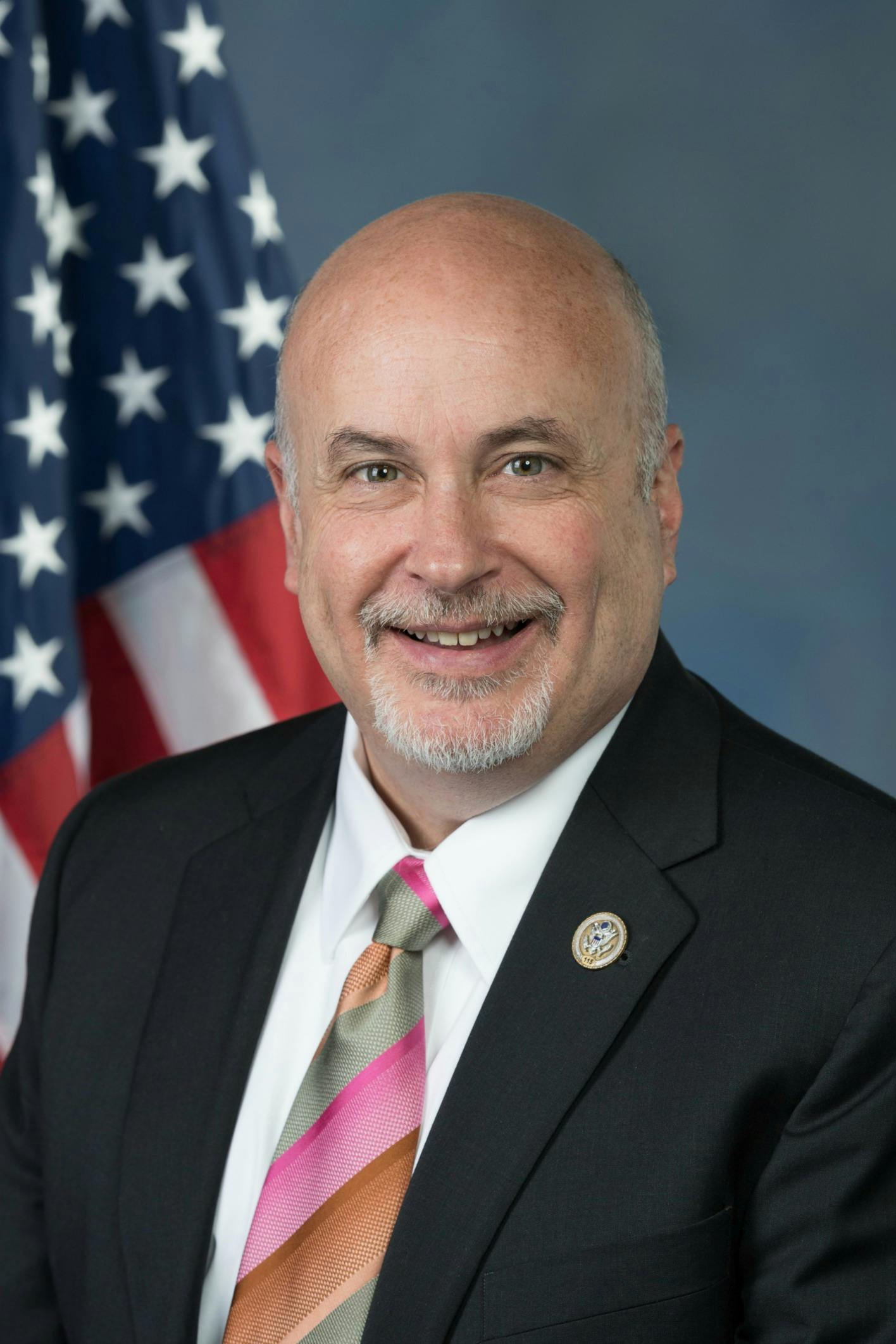
Representative Mark Pocan’s latest statement earns a definitive 0 out of 100 on our stance scale. Once again, he is relying on an exhausted anti-crypto playbook, attempting to explicitly link everyday digital asset ownership with human trafficking, drug dealing, and terrorism.
Let's break down why this framing is fundamentally flawed and actively harmful to the industry. The assertion that an asset is inherently dangerous to everyday users simply because bad actors occasionally use it defies basic logic. By that standard, physical fiat cash would be considered the most dangerous financial tool in the world, as it remains the overwhelming medium of choice for illicit finance globally. In reality, the transparent, immutable nature of public ledgers makes public blockchains uniquely poor for hiding criminal activity.
Pocan is weaponizing this sensationalism to attack Representative Bryan Steil, who chairs the subcommittee working to establish a functioning framework for digital assets. Pocan claims Steil is putting people at risk and not watching out for everyday users. This is remarkably hypocritical when you examine Pocan’s own voting record.
If a lawmaker truly cares about protecting consumers and mitigating risk, they support legislation that provides clear rules of the road. Pocan does the exact opposite. Last year, he voted against the GENIUS Act, a crucial piece of legislation that would have established a secure regulatory framework for payment stablecoins by mandating strict one-to-one reserve backing and segregating customer assets to prevent misuse. He also voted against the CLARITY Act, which was designed to protect individual self-custody rights and establish clear boundaries between digital commodities and securities.
You cannot claim to be the champion of consumer protection while systematically voting against the very bills designed to create a safe, well-regulated market. Demonizing an entire technology while obstructing regulatory clarity does not protect Americans; it simply leaves users vulnerable and pushes a vital, innovative industry overseas.