
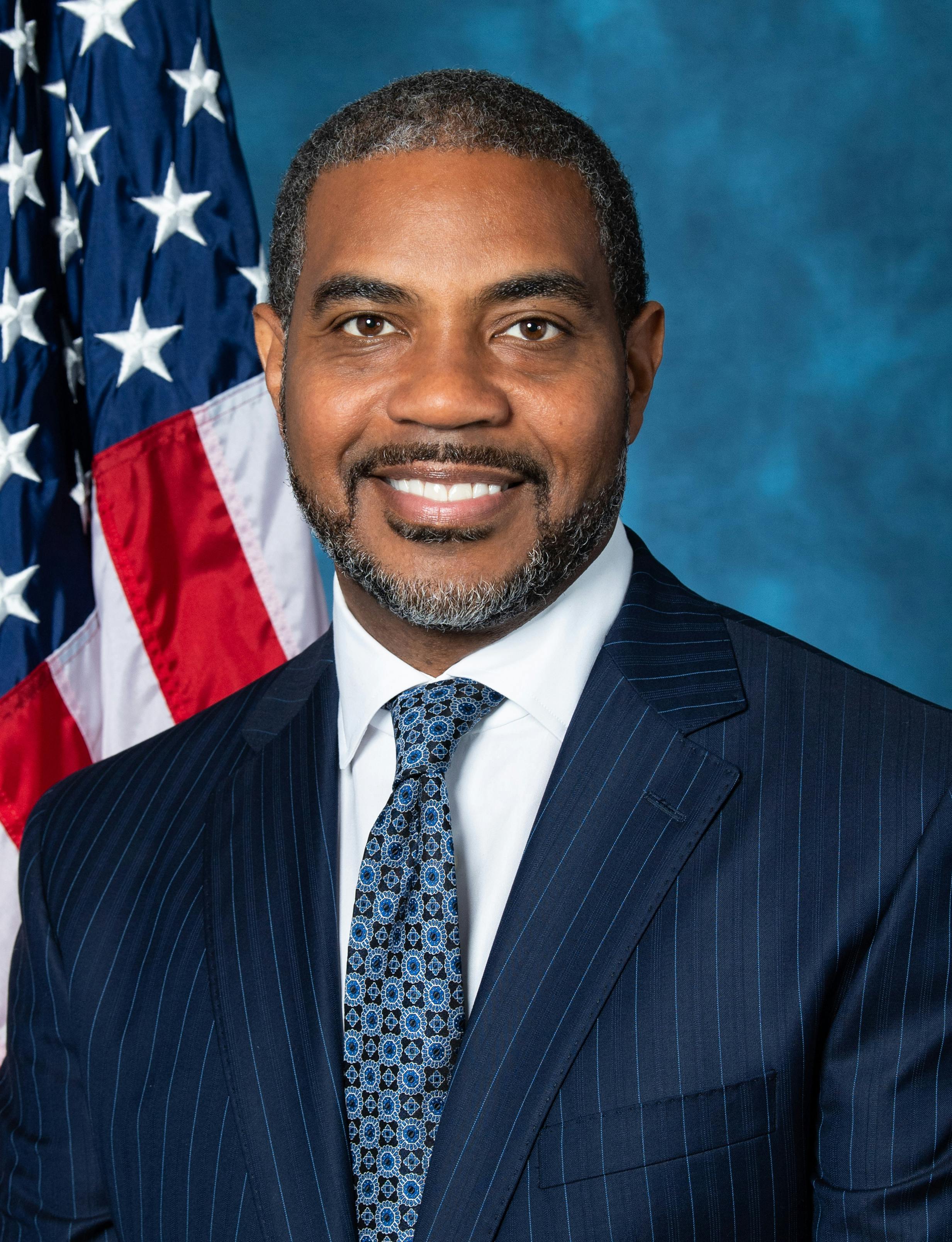

The Ways and Means Committee advanced H.R. 10357, the Digital Asset Tax Certainty Act, by a bipartisan 38–5 vote. I’m proud to cosponsor this legislation and help shape an approach that gives consumers, investors, and innovators clearer rules for a rapidly changing digital ortant step forward, but the work continues. We need a tax code that keeps pace with new technology while providing certainty, accountability, and strong safeguards. On to the next step.
Very Pro-CryptoAdd commentary on this stance
Commentary on Stance

Representative Steven Horsford of Nevada recently scored another perfect 100 for his continued leadership on digital asset tax reform, celebrating the massive 38-5 bipartisan advancement of the Digital Asset Tax Certainty Act (H.R. 10357) out of the Ways and Means Committee.
When evaluating politicians who call for "clearer rules" or "strong safeguards," it is crucial to look at the substance of the legislation they are backing. Are they pushing for surveillance and restrictive compliance drag-nets, or are they providing enabling regulatory clarity?
Representative Horsford is doing the latter, which is why his legislative efforts are undeniably pro-crypto. H.R. 10357 is a monumental step forward for the practical utility of digital assets in everyday life. Under the current, outdated tax code, using cryptocurrency to buy a sandwich, or transferring a stablecoin that fluctuated a fraction of a cent off its peg, can trigger a capital gains tax realization event. This creates an unworkable administrative nightmare for both everyday users and merchants.
This legislation directly solves these friction points. It exempts de minimis digital asset fees under ten dollars from capital gains taxes and eliminates tax realization events for US dollar stablecoins fluctuating near their peg. It also provides vital clarity by establishing that mining and staking rewards constitute ordinary income, while bringing much-needed tax parity to digital asset lending.
Stablecoins are a massive net positive for global financial inclusion, but they cannot fully thrive in the United States without a tax framework that treats them sensibly. Representative Horsford understands that modernizing the tax code is not about creating loopholes; it is about removing arbitrary regulatory barriers so that innovation can flourish and ordinary people can actually use digital assets as a medium of exchange. His pragmatic, bipartisan approach continues to make him one of the most effective champions for the industry in Washington.
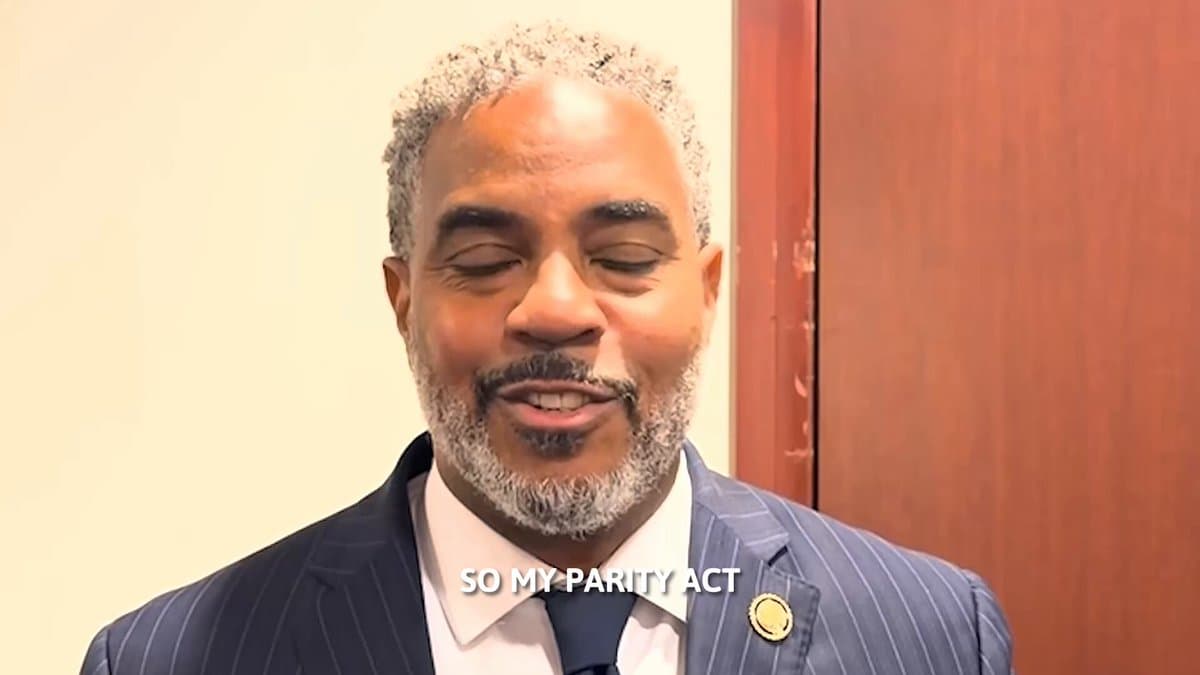


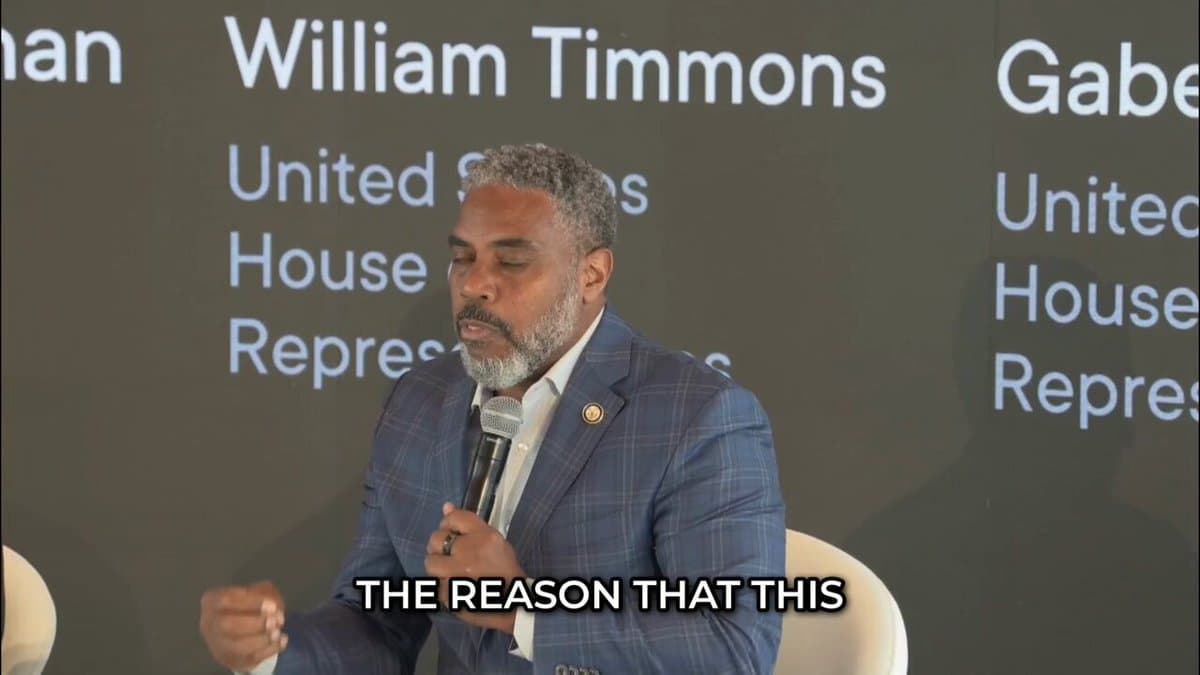


 Could Two Crypto Bills Be Signed Into Law in 2026?
My latest


