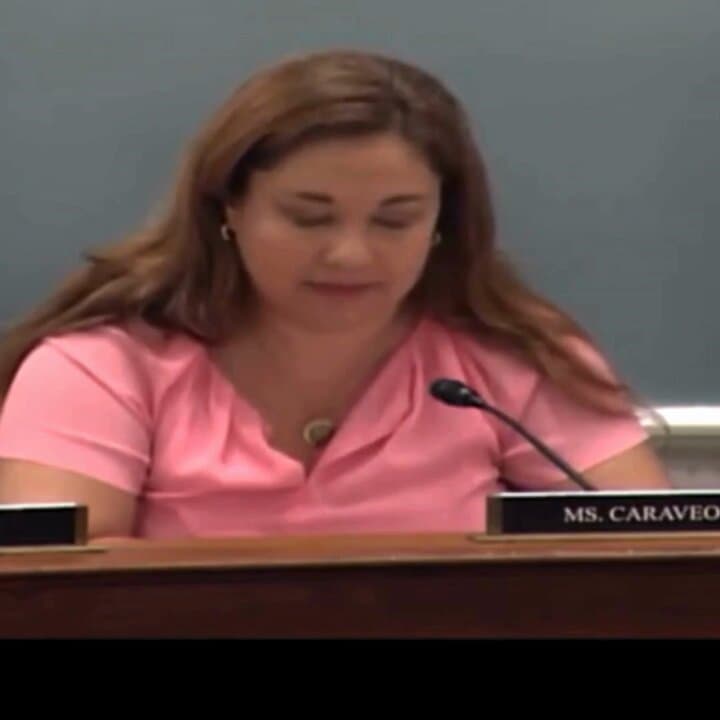
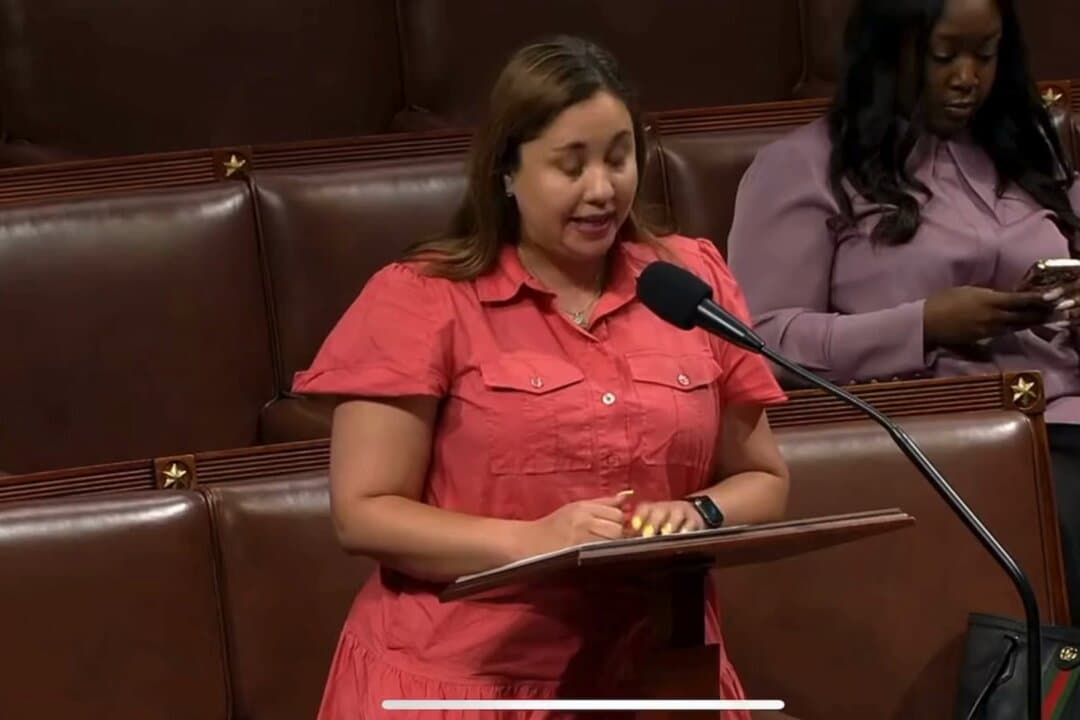
Congresswoman Yadira Caraveo, M.D. (CO-08), Ranking Member on the House Agriculture Subcommittee on Commodity Markets, Digital Assets, and Rural Development, today released the following statement after casting her vote to pass the Financial Innovation and Technology for the 21st Century Act (H.R. 4763), a cryptocurrency regulation bill, out of the House Agriculture Committee with bipartisan support.
“At least 70 percent of digital assets are currently unregulated. That leaves a huge number of retail investors unprotected in a volatile market class where many people have already lost their life savings. We have to act now to prevent more FTX-like disasters. As the Ranking Member on the House Agriculture Subcommittee on Commodity Markets, Digital Assets, and Rural Development, I’m grateful for Chairman Johnson and Chairman Thompson’s willingness to work on a bipartisan basis as we make this first step to improve transparency and protect investors.”

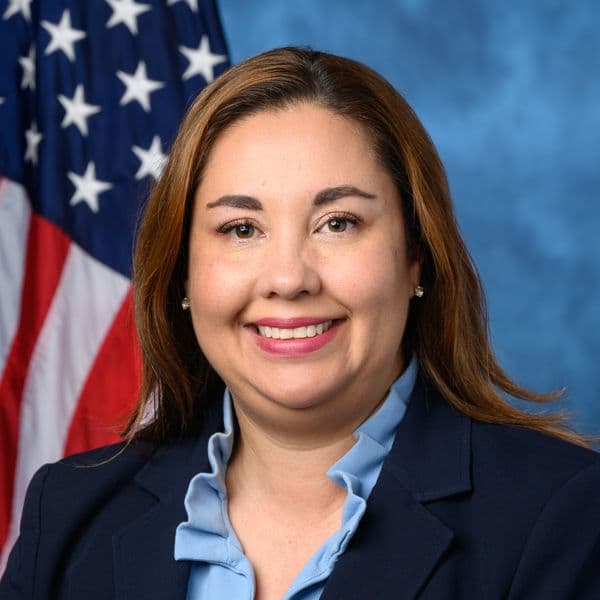

 The crypto community raised over a million dollars for the University of Colorado Brain Cancer Research.
This funding will be critical to continue funding cancer research.
https://t.co/m97eqpgG3m
The crypto community raised over a million dollars for the University of Colorado Brain Cancer Research.
This funding will be critical to continue funding cancer research.
https://t.co/m97eqpgG3m
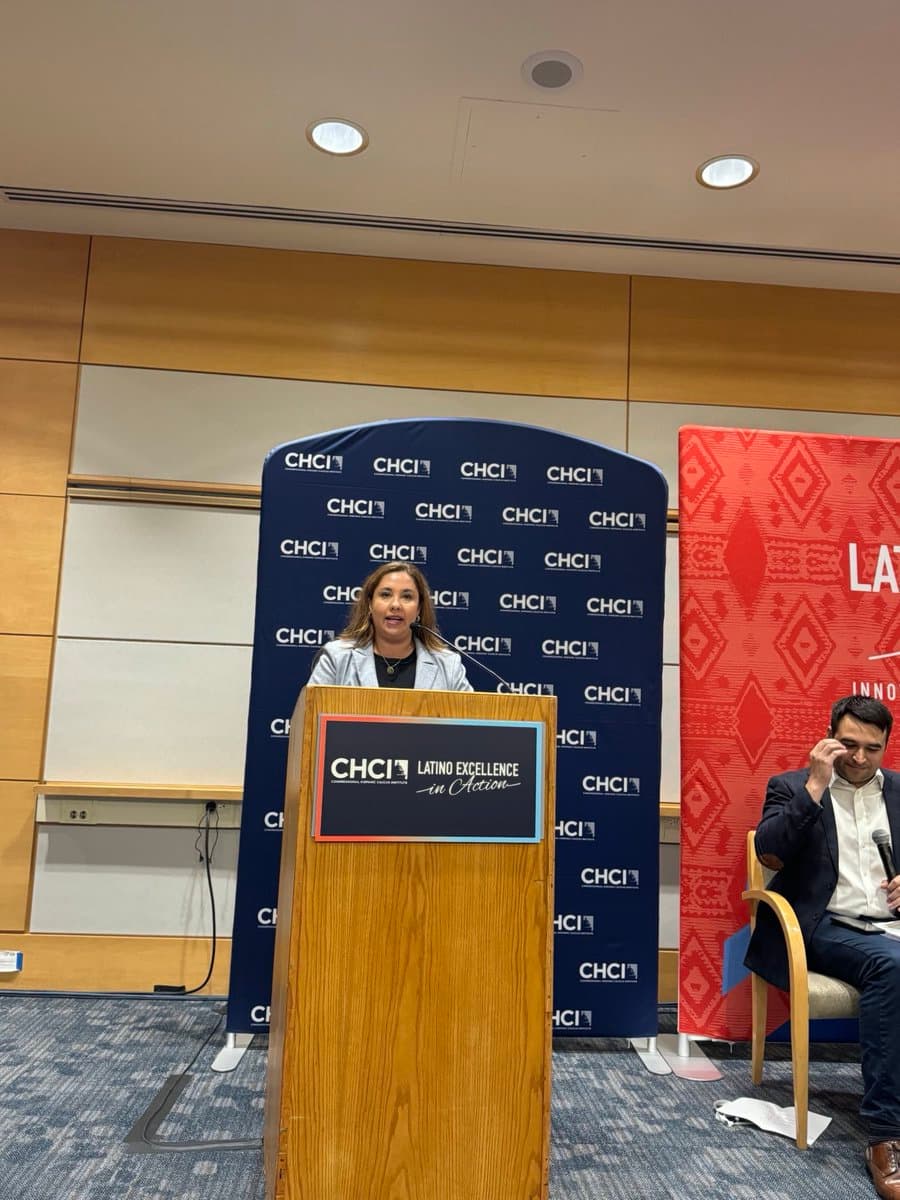


 This and much more in our newest podcast.