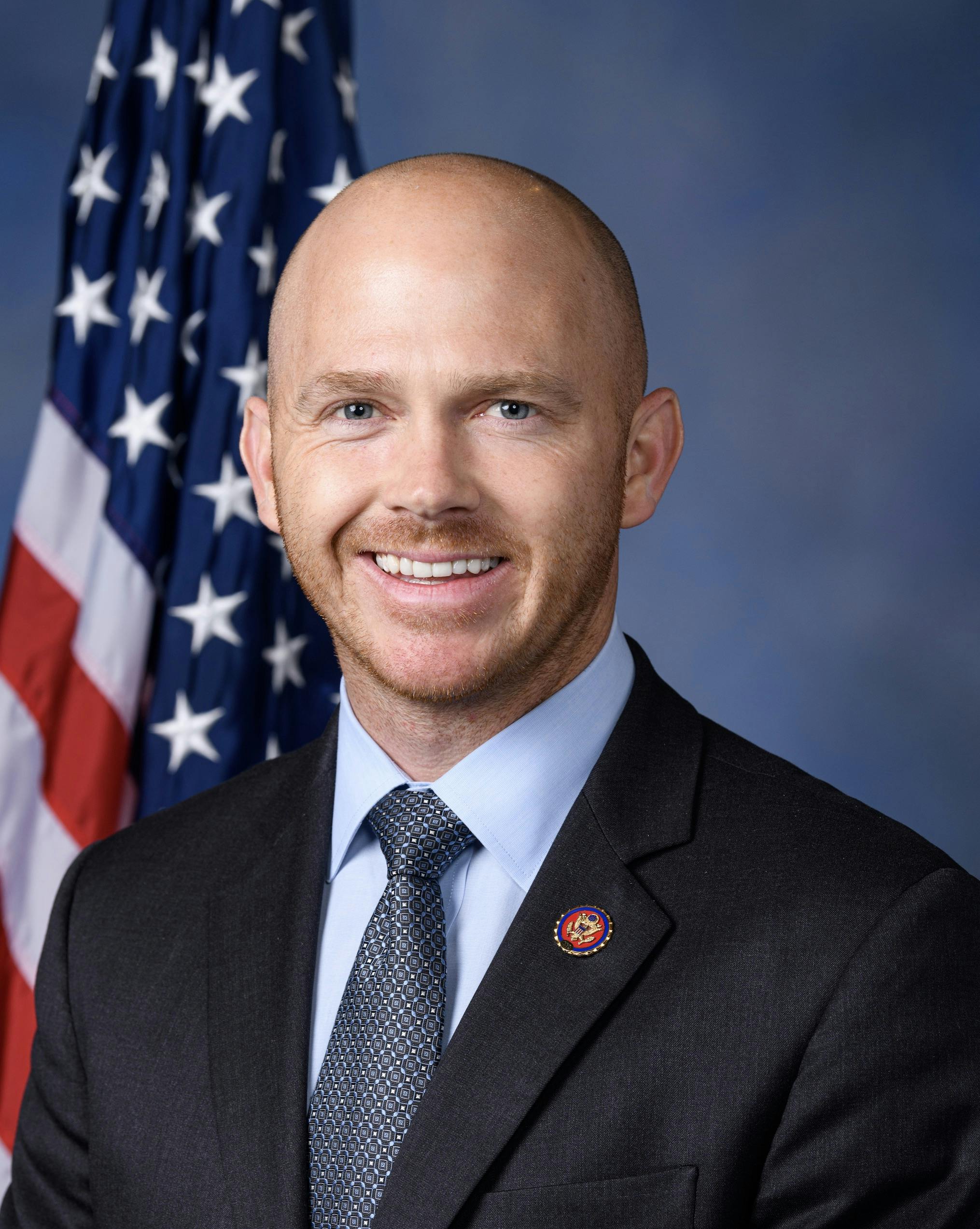
Sponsors
11 Republican
 Bryan SteilWI-1
This bill establishes a comprehensive regulatory framework for payment stablecoins in the United States. It defines payment stablecoins and permitted issuers, mandating 1:1 reserves in high-quality assets, regular audits, and public disclosures. The legislation creates approval pathways for both federally and state-chartered entities to issue stablecoins and clarifies that self-custody of digital assets is not subject to the bill's restrictions. It also includes a two-year moratorium on new algorithmic stablecoins.

This bill is highly significant for the crypto industry, primarily for providing much-needed regulatory clarity for stablecoins. Stablecoins are treated as a huge net positive, and this legislation aims to integrate them into the financial system with clear "rules of the road." A major pro-crypto signal is Section 15, which explicitly amends multiple securities acts to state that payment stablecoins, issued by permitted entities, are not securities. This directly counters current regulatory uncertainty and the SEC's stance, reducing a significant barrier to lawful crypto activity. The bill also includes an explicit carve-out for self-custody in Section 3(d), a strong pro-crypto protection.
The framework establishes robust compliance measures such as 1:1 reserve requirements, monthly attestations, and AML/CFT protocols. While these are standard regulatory burdens, they are part of legitimizing the industry rather than restricting it. The prohibition on stablecoin issuers paying yield and the two-year moratorium on new algorithmic stablecoins (Section 11) are restrictive elements. However, given the past failures of algorithmic stablecoins and the focus on safety for payment stablecoins, these may be viewed as prudent risk mitigation rather than broad anti-crypto measures, especially within an otherwise enabling framework. Overall, the bill fosters a regulated environment for stablecoins to thrive, encouraging adoption and integration.
Every member who has sponsored, cosponsored or voted on this bill. Pick a vote to see how each member voted on it, or narrow by party, name or state.
1 Republican
13 Republicans · 4 Democrats